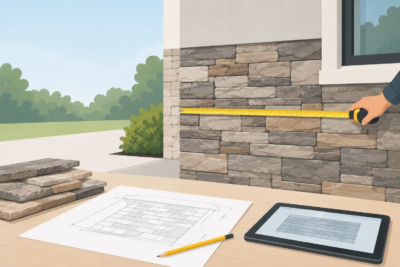

A stone chimney, front entry, or exterior accent wall is meant to look settled into the home, not like a short-term finish. That is why veneer product warranties deserve attention before materials are selected and installation begins. A warranty can provide useful assurance, but it is not a blanket promise that every future crack, stain, or loose stone will be covered.
For Shenandoah Valley homeowners, the most valuable protection comes from understanding the difference between a material issue and an installation or maintenance issue. Manufactured stone veneer is designed for long-term beauty and performance, yet the wall assembly behind it matters just as much as the stone visible from the street.
What Veneer Product Warranties Typically Cover
A manufacturer warranty generally addresses defects in the veneer product itself. Depending on the manufacturer and product line, that may include issues related to the stone’s composition, durability, or color performance under normal conditions. The exact language matters. Some warranties are limited for a stated number of years, while others may cover the original purchaser for as long as they own the property.
The key phrase is usually “manufacturing defect.” If a stone was improperly produced or fails in a way that can be traced to the product rather than the project conditions, the manufacturer may provide replacement material or another remedy described in the warranty. That remedy is often limited to the affected product. It may not include labor, demolition, shipping, scaffolding, masonry repairs, or the cost of replacing surrounding materials to create a perfect color match.
This is not a flaw in the idea of a warranty. It is a practical reason to select materials carefully, order sufficient stone from the same production run when possible, and work with professionals who understand veneer installation systems.
Product Coverage Is Different From Installation Coverage
A veneer warranty and an installer warranty are separate protections. The product manufacturer stands behind the product under its written terms. The mason, contractor, or installer may stand behind workmanship, including details such as surface preparation, drainage components, flashing, mortar application, and attachment methods.
That distinction becomes critical if stones loosen, moisture appears behind an interior wall, or an exterior installation develops cracking. The source could be the veneer, but it could also be movement in the framing, improper lath installation, inadequate flashing, missing weep screeds, or water entering around windows and roof intersections. A manufacturer cannot reasonably warrant work it did not perform.
Before a project starts, ask both questions directly: What does the product warranty cover, and what workmanship warranty does the installer provide? Clear answers are far more useful than a vague assurance that the project is “guaranteed.”
What Veneer Product Warranties Often Exclude
Most warranty exclusions are tied to conditions outside the manufacturer’s control. Reading these sections is not pessimistic. It is how a homeowner learns what the finished wall needs in order to perform as intended.
Common exclusions can include improper installation, structural movement, impact damage, misuse, inadequate maintenance, exposure to unusual chemicals, and damage caused by water intrusion from another part of the building. Natural variation in color and texture may also be excluded because variation is part of the appeal of stone veneer, not necessarily evidence of a defect.
For exterior work, drainage details deserve particular attention. Stone veneer is a cladding, not a waterproof barrier. Behind the stone, a properly designed system directs water out and away from the structure. If water is allowed to collect behind the veneer because flashing or drainage components were omitted or installed incorrectly, later damage may fall outside product coverage.
Weather is another reason to avoid assumptions. Virginia experiences freeze-thaw cycles, heavy rain, humid summers, and occasional severe weather. Quality veneer is made for exterior use when installed according to specifications, but no warranty can overcome a failing foundation, an unsealed roof penetration, or repeated impact from equipment and vehicles.
Read the Warranty Before Choosing a Stone Profile
A homeowner does not need to become a contract specialist to make a smart decision. A few focused questions can reveal whether a warranty is clear and meaningful for the project.
First, determine who is covered. Is coverage limited to the original purchaser, and can it transfer if the home is sold? This matters more for a whole-house exterior than for a small interior fireplace surround.
Next, look at the duration and the remedy. A long warranty sounds reassuring, but its value depends on what the manufacturer agrees to do if a valid claim occurs. Replacement material may be appropriate for a small repair. For a large facade or a highly visible chimney, ask how color variation between original and replacement stone may be handled.
Also confirm the installation requirements. Manufacturers commonly require the veneer to be installed in accordance with their published instructions and applicable building codes. For projects involving wood framing, masonry, concrete block, or specialty substrates, the recommended wall preparation may differ. The right system for a new-build front elevation is not always the same as the right system for a renovation over an existing surface.
Finally, ask about claim procedures. Warranty claims often require photographs, proof of purchase, installation records, and an opportunity for the manufacturer to inspect the material. Keeping these records in a home project file makes a future claim much easier to document.
Installation Details Protect the Investment
The best way to preserve warranty eligibility is not to store paperwork in a drawer. It is to build the veneer assembly correctly from the beginning. A beautiful stack stone accent can only perform as well as the substrate, moisture management, mortar, and flashing behind it.
For exterior applications, qualified installation typically includes appropriate weather-resistive barriers, lath or other approved attachment systems where required, properly mixed mortar, drainage details, and careful treatment around openings and transitions. On a chimney or foundation, special attention should be given to caps, flashing, grade clearance, and places where water can enter or remain trapped.
Interior projects have different concerns, but preparation still matters. Fireplace surrounds may involve heat-clearance requirements. Accent walls need a sound, suitable substrate. In either setting, a contractor should follow the specific recommendations for the veneer being used rather than treating all stone products as interchangeable.
This is where local experience has real value. A contractor familiar with regional building practices and weather conditions can help identify the details that are easy to overlook during planning but expensive to correct after the stone is on the wall.
Protecting Your Stone After the Project Is Complete
Manufactured veneer stone is low maintenance, but low maintenance does not mean no attention at all. A periodic visual check can catch problems while they are still limited to a small area. Look for cracks that change over time, gaps at trim or flashing, loose stones, persistent damp spots, or staining near gutters and downspouts.
If a concern appears, start by identifying the source of moisture or movement rather than covering the symptom. Adding caulk over a water path, for example, may redirect water without solving the underlying issue. Likewise, harsh pressure washing or inappropriate cleaning chemicals can cause unnecessary damage and may create a separate warranty concern.
Keep landscaping, soil, and mulch from rising against areas that need clearance. Make sure gutters drain away from the home. When additions, decks, railings, exterior lighting, or house numbers are installed later, avoid drilling or fastening through veneer without a plan for proper attachment and weatherproofing.
For a homeowner planning a visible upgrade, coordinated details can also reduce future complications. Wall caps, pier caps, architectural keystones, and matching accents should be selected with the overall assembly in mind, not added as afterthoughts. At Grizzly Stone, that complete-project approach helps homeowners create stone features that feel intentional from the foundation to the entry.
When a Warranty Question Comes Up
If you believe there may be a product issue, document the condition before repairs begin. Take clear photographs from close range and from a wider view that shows the location on the home. Gather invoices, product information, installation records, and any maintenance notes. Then contact the supplier, manufacturer, or installer according to the written warranty process.
Avoid removing stone or applying repair materials before the responsible parties have had a chance to review the concern, unless immediate action is needed to prevent damage or maintain safety. Early repairs can make it harder to determine the original cause.
A veneer warranty should give you clarity, not false confidence. Choose stone you are proud to see every day, confirm how it will be installed, and keep the records that protect the craftsmanship behind the finished wall.