
A plain wall around a fireplace can make an otherwise well-finished room feel unfinished. The right interior stone accent wall ideas do more than add texture: they establish a focal point, bring architectural weight to the room, and connect an interior renovation to the character of the home.
Manufactured veneer stone is especially well suited to these projects. It delivers the depth, color variation, and crafted appearance homeowners want without asking the structure to carry the load of full-bed natural stone. From a Shenandoah Valley farmhouse refresh to a clean-lined new build, the best result comes from matching the stone profile, wall scale, and surrounding finishes before installation begins.
Start With the Room’s Strongest Wall
An accent wall should have a reason to exist. It may frame a fireplace, define an entry, ground a dining area, or give a long, blank wall a sense of purpose. Covering every available surface in stone can make a room feel heavy, particularly when ceilings are low or the stone has strong color contrast.
Look first at sightlines. The wall visible from the front door, the fireplace wall seen from the kitchen, or the backdrop behind a dining table often has the greatest design value. Then consider what the stone needs to work with: flooring, cabinetry, mantel material, window trim, lighting, and ceiling height. Stone is a lasting finish, so it should feel related to the home rather than chosen as a separate decorative feature.
12 Interior Stone Accent Wall Ideas
1. Take the Fireplace Wall to the Ceiling
A floor-to-ceiling fireplace wall gives a living room an immediate center of gravity. This approach works especially well in rooms with vaulted ceilings, where stopping the stone at the mantel can leave a large, disconnected area above it. A ledge stone or stack stone profile creates a natural vertical movement that helps carry the eye upward.
Keep the mantel simple enough to provide contrast. A substantial wood beam, a clean painted shelf, or a tailored stone mantel can all work, depending on the architecture. Plan television placement early if it will be mounted above the fireplace, including access for wiring and clearances from the heat source.
2. Build a Wide, Low Fireplace Feature
Not every fireplace wall needs full-height stone. On a long, contemporary wall, stone can run horizontally around a low firebox and extend to create a broad hearth-like feature. This gives the room texture while preserving open wall space for art, windows, or a television.
A cut stone profile often suits this application because its more tailored lines complement modern cabinetry and furnishings. Use a color blend that picks up a tone from the flooring or trim rather than introducing a completely unrelated color family.
3. Give the Entry a Sense of Arrival
An entry accent wall can make a modest foyer feel intentionally designed from the moment guests walk in. Stone behind a bench, console table, or stair landing offers depth without requiring a large footprint. It is also a practical choice for high-traffic areas, where painted walls can show scuffs and wear.
Choose a profile with enough texture to be interesting at close range, but avoid an overly rugged stone in a narrow foyer. Proper lighting matters here. Warm wall sconces or a focused ceiling fixture will reveal the face of the stone and keep the entry from feeling dark.
4. Frame the Dining Room With Texture
A stone feature wall behind a dining table turns a room used for everyday meals into a space that also feels ready for gathering. This works particularly well when the dining area is open to the kitchen or living room and needs a visual boundary.
For a more traditional home, field stone brings relaxed variation and a time-worn character. For a cleaner, more formal dining room, a consistent ledge stone or cut stone can create a refined backdrop. Consider how chair backs, artwork, and buffet furniture will sit against the wall so the finished room does not become visually crowded.
5. Add Depth Behind a Kitchen Range
The wall behind a range is a natural focal point, and a stone veneer application can give the kitchen a custom-built appearance. It works best when the stone is treated as a full design feature, not a small patch squeezed between cabinets. Extending it to the hood, ceiling, or adjacent open shelving creates a more finished composition.
Kitchen stone needs thoughtful detailing. Choose grout and edge treatments that suit the cabinetry, and make sure the installation is appropriate for the heat and cleaning demands of the area. A range wall can carry more visual movement than a typical tile backsplash, so quieter counters and cabinet finishes often provide the right balance.
6. Turn a Stair Wall Into an Architectural Feature
The blank wall along a staircase is frequently overlooked, even though it is one of the tallest uninterrupted surfaces in the house. Stone here can make a two-story entry or open stairwell feel grounded and substantial.
Because the wall is seen from multiple levels, select a profile that remains attractive both up close and from across the room. Lighter blends help maintain brightness in stairways with limited natural light. Coordinate handrails, newel posts, and adjacent trim so the stone feels built into the home’s architecture.
7. Create a Calm Bedroom Backdrop
A stone wall behind the bed can bring warmth to a primary bedroom without relying on busy wallpaper or oversized art. The key is restraint. A softer field stone blend, pale ledge stone, or a profile with subtle color variation can feel restful, while a high-contrast stack stone may become too energetic for the room.
Stone works best when it is limited to the headboard wall and balanced by upholstered furniture, bedding, and warm lighting. In a smaller bedroom, consider a partial-height installation with a cap or wood ledge instead of covering the entire wall.
8. Define a Home Bar or Entertaining Area
A stone wall behind a home bar, beverage station, or wine display gives the area a finished, hospitality-inspired character. It can distinguish a basement entertaining zone from the rest of the space and pair naturally with wood shelving, metal fixtures, and under-cabinet lighting.
Darker stone blends can work well in this setting because the area often benefits from a more intimate mood. If the room is already short on daylight, offset that depth with light countertops, reflective glass, and layered lighting.
9. Ground a Media Wall
A media wall can easily become a collection of black screens, cords, and equipment. Stone provides a durable visual anchor around a recessed television or linear fireplace, especially in a finished basement or family room.
This application requires planning before the veneer is installed. Mounting blocks, electrical boxes, cable channels, and any recessed components should be located in advance. The stone should support the design, not make future service or equipment changes difficult.
10. Warm Up a Sunroom or Enclosed Porch
In a sunroom, stone helps bridge the gap between the indoors and the landscape beyond the windows. A fireplace wall, a short feature wall beneath a bank of windows, or a stone-clad column can make the room feel less like an addition and more like part of the home.
Natural light will reveal the color range in the stone throughout the day. Bring flooring samples, paint colors, and nearby exterior materials into the selection process so the interior and exterior feel connected without becoming identical.
11. Use Stone to Finish a Column or Half Wall
Sometimes the strongest accent is not a full wall. Cladding a structural column, knee wall, or room divider in stone can add substance while keeping an open floor plan open. This is a smart choice for homes where a large stone wall would overpower the room.
Coordinated caps create a clean transition at the top of a half wall, while stone corners and carefully finished returns prevent the application from looking like an afterthought. These smaller architectural moments often make a renovation feel more complete.
12. Make a Reading Nook or Built-In Wall Special
A recessed nook, built-in bookcase surround, or window-seat wall is an ideal place to introduce stone on a smaller scale. The texture gives the feature a sense of permanence, particularly when paired with custom shelving or a wood bench.
This is also an opportunity to use lighting deliberately. A picture light, sconce, or concealed LED wash can draw attention to the stone face after dark and make a quiet corner feel like a destination within the room.
Choose a Stone Profile That Fits the Architecture
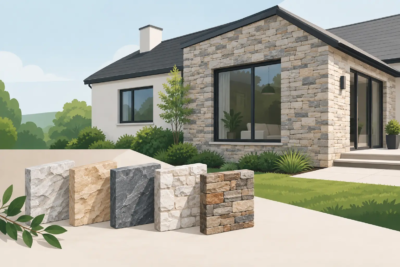
The profile does much of the design work. Field stone has an organic, gathered appearance that suits rustic homes, traditional interiors, and spaces that benefit from varied shapes. Ledge stone is more linear and versatile, making it a strong choice for fireplace walls, stairwells, and transitional designs. Stack stone offers tighter horizontal lines and a more contemporary texture, while cut stone brings a tailored, structured look to formal or modern spaces.
Color deserves the same attention as profile. Warm grays, creams, buff tones, and soft browns are flexible choices for many Shenandoah Valley homes because they work comfortably with hardwood floors, painted trim, and local architectural styles. Darker charcoal and deep brown blends can be striking, but they generally need more daylight, taller ceilings, or lighter surrounding finishes.
Grizzly Stone can help homeowners and building professionals compare profiles and color blends against the actual conditions of the project. A sample that looks balanced outdoors may read differently under warm interior lighting, so viewing materials in the room is always worthwhile.
Plan the Details Before the Stone Goes Up
A successful stone wall is defined by more than the fieldstone or ledge stone itself. Decide where the installation will start and stop, how outside corners will be handled, whether a mantel or cap is needed, and what finishes meet the stone at each edge. A clean termination near trim, cabinetry, or drywall is part of the craftsmanship.
Also consider proportion. Large-format stone can feel impressive on a two-story wall but too heavy on a narrow bump-out. A more detailed profile may be beautiful on an entry wall yet compete with patterned flooring in a small room. The right choice depends on the wall’s size, the room’s light, and how many other strong finishes are already present.
The best stone accent wall does not simply fill a blank space. It gives the room a reason to be remembered, then lets the rest of the home feel more beautiful around it.