
A stone chimney makeover can change the way an entire home is perceived from the street. A plain brick stack, aging siding surround, or unfinished block chimney often draws attention for the wrong reasons. Stone veneer gives that vertical feature the visual weight, texture, and architectural character it needs to feel intentional.
For Shenandoah Valley homeowners, the best result is rarely about choosing the boldest stone. It is about selecting a profile, color range, and finish that belong with the home’s roofline, siding, trim, foundation, and landscape. When those elements work together, a chimney becomes a defining feature instead of an afterthought.
Start a Stone Chimney Makeover With the Whole House
A chimney occupies a prominent position, often rising above the roofline where it can be seen from multiple angles. That visibility makes proportion especially important. Before selecting stone, look at what already gives the house its character: the roof color, siding material, brick accents, front entry, shutters, and any existing masonry.
A traditional farmhouse, Colonial-style home, or mountain-inspired residence may call for a more varied field stone look, with natural shifts in shape and color. A newer home with clean rooflines may be better suited to ledge stone or stack stone veneer, which creates more defined horizontal movement. Cut stone can bring a tailored, established appearance to homes with formal entries and crisp trim details.
The goal is not necessarily to match every material exactly. A stone chimney can introduce contrast, but it should still feel connected to the rest of the exterior. For example, a warmer gray veneer may complement weathered charcoal roofing, while a blend with brown and buff tones can tie into wood doors, bronze fixtures, or tan siding.
Consider How Much of the Chimney to Cover
Some chimneys are candidates for a full transformation from the ground up. Others only need a stone veneer treatment on the exposed exterior stack or the portion visible above a roofline. The right scope depends on the chimney’s location and the condition of the surrounding materials.
A full-height application makes a strong statement and can visually anchor a tall façade. It is particularly effective when the chimney sits at the end of a gable or beside a broad front porch. A partial application can be a practical choice when the lower portion is hidden by landscaping, an addition, or an existing patio.
If the chimney is attached to a fireplace bump-out, consider whether the stone should continue across that wall section. Carrying the same veneer around the fireplace area often produces a more natural architectural result than stopping at a narrow vertical strip.
Choose a Veneer Profile That Fits the Architecture
Manufactured veneer stone offers the appearance of natural stone without requiring the same structural load as full-bed masonry. It opens up design options for remodels, additions, and targeted curb-appeal projects where a heavier material may not be practical.
Field stone veneer has an irregular, timeworn character. Its varied shapes work well on homes that need a relaxed, regional look, especially properties surrounded by mature trees, open views, or traditional rural architecture. The natural variation keeps a tall chimney from looking flat.
Ledge stone uses longer, more linear pieces. It can make a chimney feel wider and more grounded, especially when paired with horizontal siding or low-pitched rooflines. The texture is noticeable without becoming overly busy.
Stack stone veneer creates a tighter, more contemporary pattern. It is a strong option for homes with modern trim colors, dark windows, simplified landscaping, or a transitional exterior style. Because the pieces are more uniform, careful installation matters. Straight lines and consistent joints are what give stack stone its refined appearance.
Cut stone provides a more deliberate, hand-laid look. It works especially well when a chimney needs to feel substantial and permanent, or when the home includes formal architectural features such as symmetrical windows, porticos, or masonry entry columns.
It depends on the scale of the chimney, too. Highly varied stone on a narrow chimney can feel crowded, while a very uniform profile on a large chimney may lack depth. Viewing stone samples against the actual siding and roof color is one of the most useful steps a homeowner can take before finalizing a selection.
Let Color Variation Do Its Work
The strongest stone chimney makeover projects usually use a blend rather than one perfectly flat color. Natural-looking variation helps the veneer read as masonry from a distance and gives the chimney depth in changing daylight.
That does not mean every color should be present. A home with cool gray siding and black roofing may benefit from gray stone with restrained touches of charcoal or soft taupe. A brick home with warm red and brown undertones may look more cohesive with earthier stone blends. If the exterior already has strong color variation, a quieter veneer can provide balance.
Pay attention to mortar as well. Mortar color and joint treatment can change the finished look significantly. A lighter mortar can emphasize individual stones and create a traditional appearance. A darker or more recessed joint can make the overall wall feel deeper and more textured. Your desired style should guide that choice, not simply what is easiest to source.
Finish the Top and Edges With Purpose
A well-chosen veneer can still look incomplete if the chimney cap, flashing, and transitions are not considered. These are the details that separate a surface update from a finished architectural feature.
The chimney cap should project slightly beyond the stone below it to help direct water away from the veneer. Its profile should suit the home. A simple concrete cap can be appropriate for a clean, understated design, while a more substantial cap may complement a traditional or rustic exterior. The cap must also be properly sloped and installed for weather protection, not just appearance.
At the roofline, flashing deserves close attention. Chimneys are common locations for water intrusion because several materials meet there: roofing, metal flashing, wall construction, and masonry veneer. A skilled installer coordinates the stone work with sound flashing details so the finished chimney looks good and performs well through Virginia’s rain, snow, heat, and freeze-thaw cycles.
Corners and termination points matter, too. Stone should wrap naturally around visible corners rather than ending abruptly at the front face. Where veneer meets siding, trim, or brick, a clean transition helps the materials look intentionally paired.
Plan for Installation, Not Just Inspiration
Photos are useful for choosing a direction, but every chimney has its own conditions. Existing brick may need cleaning and preparation. Block chimneys may require a suitable base and moisture-management approach. Wood-framed chimney chases need appropriate detailing before veneer is installed.
This is why the condition of the existing structure should be evaluated early. If there are cracks, loose brick, deteriorated mortar, staining, or signs of leaks, those issues should be addressed before a cosmetic update begins. Stone veneer is a durable finish, but it is not a substitute for repairing an underlying chimney or roof problem.
Installation sequencing also affects cost and results. If the roof is nearing replacement, it may make sense to coordinate roofing and chimney work rather than disturb new materials later. If a new front porch, siding project, or foundation veneer is planned, selecting the chimney stone at the same time can create a consistent palette and reduce the risk of mismatched materials.
For homeowners building a broader exterior plan, Grizzly Stone can help bring stone profile choices and coordinated finishing details into one clear design direction. Matching veneer across a chimney, columns, foundation accents, or retaining walls gives the property a more complete, considered appearance.
Extend the Design Beyond the Chimney
A chimney makeover often reveals other opportunities around the home. The same stone can be used sparingly to create visual connections without making the exterior feel overdone. A front porch base, entry column, mailbox pier, or low garden wall can repeat the material and make the chimney feel like part of a larger design.
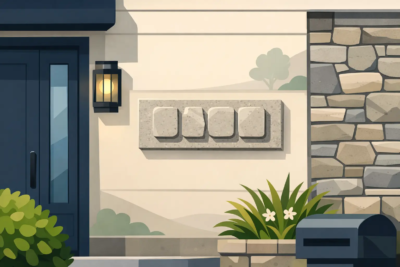
Coordinated pieces can make an even greater difference than homeowners expect. Wall caps, pier caps, architectural keystones, and stone house numbers add finish at the places people see up close. These details are especially valuable when the chimney is a major focal point from the road but the entry needs a related element to balance it.
The key is restraint. One stone feature can be dramatic. Two or three related features can feel cohesive. Applying the same veneer to every possible surface can compete with the home’s windows, landscaping, and roofline.
Build a Chimney That Still Looks Right Years From Now
Trends can be useful for inspiration, but a chimney is not a decorative pillow that can be swapped out next season. Choose a stone profile that reflects the architecture of your home and the character of your property, rather than chasing a color or pattern that may quickly feel dated.
A thoughtful stone chimney makeover adds more than surface appeal. It gives an ordinary exterior a stronger sense of permanence, helps define the home’s architectural style, and creates a feature worth noticing every time you pull into the driveway. Start with the house you have, choose materials that belong there, and let craftsmanship carry the design the rest of the way.