
A house number should do more than satisfy the mailbox and emergency-services requirement. Set against the right stone, it becomes a small architectural detail that tells visitors they have arrived at a thoughtfully finished home. Custom stone house numbers give an entry, mailbox column, gate, or driveway marker the same permanence and character as the stonework around it.
For Shenandoah Valley homeowners, that matters. Many properties combine traditional masonry, covered porches, timber details, brick, siding, and natural landscapes. A generic metal plaque can feel like an afterthought on a carefully renovated facade. A stone number feature creates a clearer, more lasting connection between the address and the home itself.
Why Custom Stone House Numbers Make a Difference
Street numbers are among the first details a guest, delivery driver, or prospective buyer sees. They are also one of the few exterior elements that must be both decorative and immediately useful. The best installations balance those jobs: easy to read from the road, securely installed, and visually tied to the home’s materials.
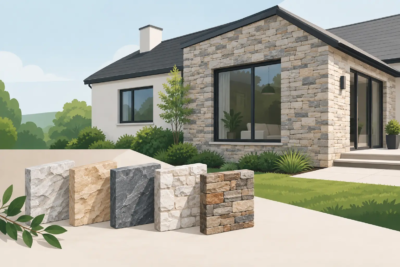
Stone has a particular advantage here because it carries weight and texture without needing elaborate ornament. A number set into a fieldstone mailbox pier feels at home beside a rustic porch. The same number treatment on a clean-cut ledgestone column can support a more tailored, contemporary exterior. The material does not need to dominate the elevation to make an impression.
This is also an upgrade with broad appeal. A full exterior renovation may involve siding, roofing, windows, and masonry work. House numbers are a smaller project, but they can make a new stone facade feel complete or give an older entry a more intentional appearance. They are especially effective when a homeowner is already adding veneer stone to a foundation, chimney, front column, retaining wall, or entrance feature.
Start With Visibility, Then Choose the Style
The most attractive address marker will not serve its purpose if no one can read it. Before choosing a stone profile, consider where a driver will first look for the number. On some properties, that is the front porch. On a rural or set-back lot, it may be a mailbox pillar or freestanding marker at the driveway entrance.
Placement depends on the property. A home close to the street can often use numbers near the front door or on a porch column. A long driveway may need a second display at the road. For homes on winding roads or those shaded by mature trees, contrast and scale become even more important. A smaller address marker can look refined up close but disappear from the street.
Choose numeral sizing for actual viewing distance, not only for how it looks in a product photo. Dark numbers on a light stone face, or light numbers on a deeper stone blend, are usually easier to identify. Avoid placing numbers where shrub growth, porch furniture, seasonal décor, or a storm door will block the view.
Lighting deserves the same attention. A covered entry may require a dedicated fixture, while a driveway monument can benefit from low-voltage landscape lighting. Illumination should reveal the numbers without creating glare. This is a practical consideration, particularly for evening visitors, delivery drivers, and emergency responders.
Match the Stone Detail to the Architecture
Custom does not have to mean complicated. It means choosing a size, profile, color blend, and installation location that belong with the rest of the property. The most successful custom stone house numbers look as though they were planned with the original exterior, even when they are part of a later upgrade.
For traditional and rustic homes
Field stone and irregular profiles pair naturally with Colonial, farmhouse, cabin-inspired, and mountain-influenced homes. A stone address plaque or mailbox pier can soften the transition between a landscaped yard and a formal entry. Bronze, black, or dark charcoal numerals often provide a strong contrast against warm gray, tan, or buff stone.
On an older home, the goal is usually continuity rather than a dramatic statement. A modest number panel on a stone column may be enough to connect a new walkway, front stoop, or chimney update with the home’s existing character.
For clean-lined or contemporary exteriors
Cut stone, ledge stone, and stacked-stone profiles give number markers a more structured appearance. Their horizontal lines can echo modern siding, rectangular windows, and simple roof forms. These profiles work well on entry columns, low landscape walls, and address monuments with crisp caps.
A contemporary project can support larger, simpler numerals, but readability still comes first. Consider recessed or surface-mounted numbers with a finish that contrasts clearly against the veneer. If the rest of the facade uses restrained colors, a stone marker can provide texture without introducing another unrelated finish.
For mixed-material facades
Many Shenandoah Valley homes use stone in selected areas rather than across the entire front elevation. A chimney, foundation skirt, entry wall, or porch base may carry the stone while siding or brick covers the larger facade. In these cases, the address detail can serve as a visual bridge.
Using the same or a complementary stone profile on a mailbox column or entry pier keeps the design from feeling pieced together. Coordinated caps and architectural details strengthen that connection. The point is not to duplicate stone everywhere. It is to repeat it with purpose.
Think Beyond the Front Door
A front-door plaque is only one option. House numbers can be integrated into several exterior features, and the right choice depends on sightlines, landscaping, and how people approach the property.
A masonry mailbox column is a natural location because it places the address near the street. It also gives homeowners a chance to add a finished cap and coordinate the stone with porch columns or a foundation veneer. A driveway monument works well for larger lots, shared entrances, and homes that sit far behind the road.
For properties with gates, a stone pier can hold the address while giving the entrance a stronger sense of arrival. On a front porch, numbers can be placed on a stone column, adjacent wall, or a dedicated stone panel near the entry. Builders and remodelers often find that planning this detail alongside the veneer installation produces a cleaner result than adding it later.
Installation Details That Protect the Finished Look
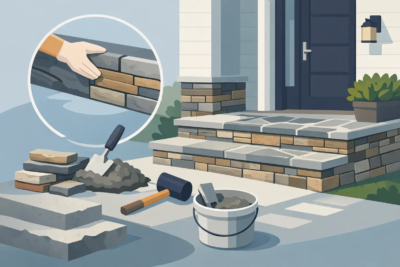
Stone address features should be treated as exterior construction, not as décor that can be attached casually. The base needs to be stable, level, and designed for local conditions. A freestanding marker, mailbox pier, or column must have proper support so settling does not crack the veneer or shift the numbers out of alignment.
The number material matters as well. Cast metal, aluminum, stainless steel, and properly rated composite numbers each offer different looks and maintenance needs. Metal finishes can patina over time, which may be desirable on a traditional home but less appropriate for a sharply modern design. Ask how the numbers will be fastened and whether their installation allows for stone texture, mortar joints, and future replacement if needed.
Do not overlook proportions. A narrow column can look crowded with oversized numerals, while a broad stone monument can make small numbers seem lost. The cap, face area, and surrounding landscape should all support the scale of the address display. This is where a custom-made stone component is valuable: it can be planned around the feature instead of forcing the feature onto a standard piece.
Maintenance is generally straightforward, but it is worth planning for. Keep landscape plants trimmed away from the marker, check that light fixtures remain aimed correctly, and clean the numbers with products suited to their finish. Avoid harsh cleaners that can discolor stone or damage protective coatings on metal.
A Small Detail With a Finished-Home Effect
The best exterior updates do not always announce themselves loudly. Sometimes the detail that changes the whole impression is the one that makes every other choice look more intentional. A stone address marker can tie a new chimney surround to porch columns, give a driveway entrance more presence, or provide the final note on a facade renovation.
For a new build, include the house-number location early, before masonry and landscape decisions are locked in. For an existing home, look for a place where stone can improve both wayfinding and curb appeal without competing with the architecture. Grizzly Stone can help homeowners, builders, and masons select coordinated veneer and finishing components that make that choice feel like part of the home, not an addition to it.
A clearly visible address is practical. Set it in stone that belongs with the rest of your home, and it becomes a welcoming detail people remember long after they have found the right driveway.