
A mailbox is often the first architectural detail visitors see from the road. When it is a plain metal box on a weathered post beside a carefully finished stone home, the contrast can make an otherwise polished exterior feel incomplete. A matching stone mailbox kit gives that small but highly visible feature a deliberate connection to the home, driveway, columns, retaining walls, or entry piers already shaping the property.
For Shenandoah Valley homeowners, this is not simply a matter of dressing up the end of the drive. A well-designed mailbox structure adds permanence, improves wayfinding, and gives the street-facing edge of the property the same care as the front door. The right stone profile, cap, mailbox insert, and address treatment can turn a necessary utility into a natural part of the home’s design.
Why a Matching Stone Mailbox Kit Makes a Difference
A stone mailbox works best when it looks like it belongs. Matching the veneer used on a home’s foundation, chimney, porch columns, or façade creates continuity from the street to the house. That repeated material and color story helps the entire property read as one considered design rather than a collection of separate improvements.
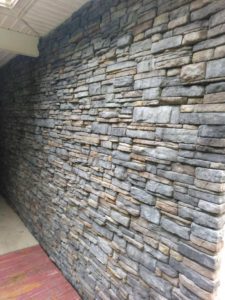
The effect is especially noticeable on homes with a long driveway or a setback from the road. The mailbox becomes an introduction to the architecture ahead. A rustic field stone veneer can establish a traditional Valley character before guests reach the front walk. A clean stack stone profile may better suit a newer home with strong horizontal lines. Ledge stone can bring texture and visual depth to a more substantial pier-style mailbox.
There is a practical side as well. A masonry mailbox surround gives a standard mailbox a more protected setting than an exposed wood post. The stone veneer itself is a finish material, so the structure beneath it still needs to be properly built and prepared. But when installed on a sound masonry or framed core, it provides a durable, finished exterior designed for the changing temperatures, rain, and seasonal conditions Virginia properties experience.
A matching mailbox also helps solve an easy-to-overlook curb appeal problem: proportion. A small mailbox on a slender post can disappear beside a broad driveway, tall columns, or a substantial stone façade. A properly sized stone feature gives the roadside edge more visual balance without overwhelming the landscape.
Start With the Stone Already on Your Home
The best starting point is not the mailbox insert. It is the stone profile already defining the house and its outdoor spaces. Matching does not always mean using every color or every stone size in exactly the same way. It means selecting materials that carry the same architectural language.
If your home has a warm, irregular field stone veneer, use that profile on the mailbox so the feature feels established rather than newly added. If the façade uses a more linear ledge or stack stone, repeating that pattern can keep the property looking clean and intentional. A mismatch in color temperature is often more noticeable than homeowners expect. Gray stone with cool undertones may look disconnected beside a home finished in warm tan, buff, or brown blends.
This is where viewing actual stone samples matters. Color can shift under direct sun, shade, and wet weather, and the road-facing location may receive different light than the front elevation. A selection that looks close indoors can feel distinctly different when installed outdoors. Looking at the home’s existing veneer, roof color, siding, brick, and landscape materials together leads to a better decision.
For a renovation where the original stone is no longer available, aim for coordination rather than a forced imitation. Choose a complementary profile with a related color range. A mailbox can stand on its own as an accent, but it should not compete with the home or look like it came from another property.
Choose the Right Scale for the Site
A compact neighborhood lot may call for a single mailbox mounted within a modest stone column. A larger rural property, a wide circular drive, or a shared entrance may need a broader structure with room for two boxes, prominent address numbers, or an integrated newspaper compartment.
Height matters, too. Postal carrier access requirements should guide the final placement of the mailbox door and delivery opening. Before building, confirm local postal guidance and any neighborhood or road-maintenance rules. The final design needs to look right while allowing safe, convenient mail delivery from the road.
The stone feature should also relate to nearby elements. If the driveway has low stone walls or the front entry has tall piers, a mailbox column that is too narrow can feel undersized. Conversely, an oversized pier can crowd a tight drive or create a hazard where vehicles turn in. Good proportions are not accidental. They come from considering the driveway width, roadside clearance, house scale, and the distance from the mailbox to the home.
The Pieces That Create a Finished Mailbox
A matching stone mailbox kit is more than veneer alone. The strongest result comes from coordinating the visible and functional components before installation begins. The stone profile gives the structure its character, while the cap, mailbox insert, address numbers, and base details give it a complete architectural finish.
A cap is particularly influential. It provides a clean top edge and directs water away from the veneer beneath it. Depending on the style of the house, a cap may be flat and understated, slightly pitched, or more substantial with a defined overhang. The cap should feel proportional to the column rather than like an afterthought placed on top.
Address numbers deserve the same consideration. Numbers can be set into the stone field, installed on the cap, or mounted on a coordinating plaque. They should be large enough to read from the road and selected in a finish that does not disappear against the veneer. For homes on rural roads or long drives, clear numbering is both a convenience and a safety consideration.
The mailbox insert itself should be sized for the household’s mail volume and mounted securely within the structure. A standard box may be sufficient for many homes, while a larger insert makes sense for families who receive frequent packages or want more capacity between pickups. The access door, flag, and delivery opening must remain easy to operate after the stonework is complete.
Build for Weather, Water, and Daily Use
A beautiful mailbox feature still needs sound construction behind it. Veneer stone is applied to an appropriate substrate, and that substrate needs a stable foundation suitable for the site. Frost movement, poorly compacted soil, or inadequate footing work can lead to cracking, shifting, or an uneven structure over time.
Water management is equally critical. Caps, flashing details where needed, and proper installation methods all help prevent water from working behind the stone. This is one reason a mailbox project should be approached as masonry work, not as a quick weekend decoration. The visible finish is only as dependable as the support and moisture details beneath it.
Consider future maintenance while planning the location. The carrier should be able to reach the box safely, and the homeowner should be able to retrieve mail without stepping into traffic or standing in a drainage path. Keep snow removal, mowing, driveway turning patterns, and plow spray in mind. A stone mailbox that sits in the wrong place can become an obstacle no matter how good it looks.
If the mailbox is positioned near a busy road, check local setback expectations and make sure the structure is placed with reasonable roadside safety in mind. Some properties may benefit from a more forgiving installation approach or a location set slightly farther back, depending on road conditions and local guidance.
When to Coordinate the Mailbox With Other Projects
The most efficient time to plan a matching mailbox is during a larger exterior project. If you are installing veneer on a new home, remodeling a chimney, adding porch columns, or updating the foundation, reserving material for the mailbox helps ensure a close match. It also lets the mason coordinate cuts, corners, caps, and finishing pieces across the project.
That said, a mailbox can be a worthwhile standalone improvement. It is one of the few exterior upgrades visible every day, whether you are arriving home or passing your property from the road. For homeowners who are not ready to reface an entire façade, it can be a focused way to introduce stone character and establish a direction for future improvements.
Grizzly Stone can help homeowners, builders, and masons select veneer profiles and coordinated architectural details that fit the character of a Shenandoah Valley property. The goal is not to make every mailbox look alike. It is to create a streetside feature that feels connected to the home it serves.
A thoughtfully matched mailbox does more than hold the day’s mail. It gives the first few feet of your property the same craftsmanship and welcome as the home beyond it.