
A front elevation can be well built and still feel unfinished. The siding may be new, the roof may be right, and the landscaping may be in place, yet the house lacks the depth that gives it a settled, distinctive presence. Stone veneer changes that impression quickly when the profile, color, scale, and finishing pieces are selected as one design.
When you are comparing a veneer stone supplier Virginia homeowners and builders can work with nearby, look beyond a sample board. The right supplier should help you connect the stone to the architecture of the home, the scope of the project, and the details that make the final installation feel intentional.
What a Virginia Veneer Stone Supplier Should Help You Solve
Veneer stone is not a one-size-fits-all material. A low, wide ranch home often benefits from a different stone profile than a tall two-story farmhouse, a traditional brick colonial, or a mountain-style new build. The goal is not simply to add stone. It is to give the home a stronger sense of proportion and character.
For many Shenandoah Valley properties, stone is most effective where the eye naturally lands first: around the front entry, across a foundation, on chimney faces, at porch columns, or along a prominent gable. Inside, it can turn a plain fireplace wall, kitchen accent wall, or finished basement into a focal point. A knowledgeable supplier can help determine whether a targeted upgrade will make the strongest impact or whether a broader exterior application better suits the home.
That guidance matters because each stone profile creates a different visual rhythm. Field stone tends to feel natural and varied, with a more relaxed, time-worn appearance. Cut stone offers cleaner lines and a more formal look. Ledge stone brings horizontal movement that works especially well on contemporary exteriors, fireplaces, and retaining features. Stack stone has a tighter, more linear texture suited to modern accents and defined architectural elements.
The best choice depends on the home. It also depends on viewing distance. A highly textured profile that looks excellent up close may feel busy across a large front façade. A smoother, more uniform profile can look refined on an expansive wall but may need deeper joints or contrasting trim details to avoid appearing flat. Good selection starts with the whole elevation, not just a favorite individual stone.
Choose Stone for the Architecture, Not Just the Sample
A small sample is useful for comparing color and texture, but it cannot show the full effect of installed stone. Ask to see completed projects or larger displays whenever possible. Look at how a profile reads across broad sections, at corners, and beside doors, windows, roofing, siding, or brick.
Color should be considered in context. Warm blends of tan, buff, rust, and brown can complement natural wood, bronze fixtures, and traditional exterior palettes. Cooler gray blends often pair well with white trim, black windows, charcoal roofing, and cleaner-lined homes. Neither direction is automatically better. The existing materials should lead the decision.
It is also worth thinking about regional character. Homes across Harrisonburg, Staunton, Waynesboro, Charlottesville, and surrounding Valley communities vary widely, from historic properties to newer neighborhoods and rural estates. A stone selection should respect the home’s setting without becoming overly literal. A rustic field stone may be right for a wooded property, while a crisp cut stone can give a newer home a timeless, established appearance.
For renovations, bring photos of the entire house, not only the wall being updated. Include close shots of siding, brick, roofing, trim, shutters, and hardscape. This gives the supplier and installer a clearer basis for recommending a profile and color blend that belongs with the property.
Think Through Scale and Placement
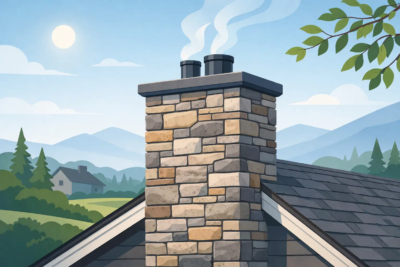
Stone has visual weight. Using it on the lower third of a home can create a grounded look, especially on tall elevations or homes with a raised foundation. Applying it around a front entry can make a modest façade feel more welcoming without requiring a full exterior renovation. A chimney can become a strong vertical feature, while columns can tie a porch into the rest of the design.
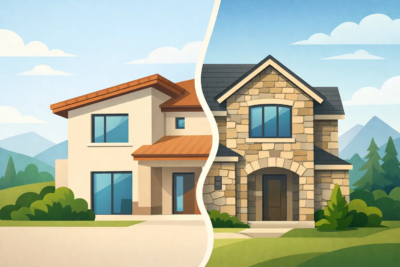
More stone is not always better. If the home already has substantial brick, dark siding, or heavy timber accents, a smaller stone application may provide the needed contrast. On a plain vinyl-sided elevation, a larger foundation wrap or entry composition may be the move that creates real curb appeal. The right amount is the amount that makes the home feel balanced.
Look for Coordinated Finishing Pieces
Corners, caps, keystones, and other finishing components are where a project either comes together or starts to look pieced together. They are not afterthoughts. They define edges, transitions, and the architectural logic of the installation.
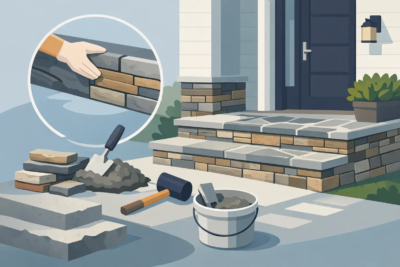
For example, manufactured corner pieces help a stone-wrapped column or exterior corner maintain the appearance of full-depth masonry. Wall and pier caps provide a clean top edge for landscape walls, mailbox columns, and entry piers. Architectural keystones can add distinction above windows, doors, and garage openings when the design calls for a more formal treatment.
Street numbers deserve the same consideration. A coordinated stone number plaque or address detail can make a front entry easier to find while reinforcing the design of the façade. These smaller components are especially valuable on a renovation because they help new stone look integrated rather than added on years later.
A supplier with coordinated options can save time during selection and reduce the risk of mismatched colors, incompatible dimensions, or last-minute substitutions. The result is a home with a finished appearance from the main wall surfaces down to the details guests notice at the curb.
Ask Practical Questions Before You Request an Estimate
A good estimate begins with a clear scope. Before contacting a veneer stone supplier in Virginia, measure the approximate square footage of the planned application and note every area that will need stone. Include chimney faces, return walls, column wraps, foundation sections, and any interior features. If you are unsure, photographs and basic dimensions are still a useful starting point.
You should also identify who will install the material. Homeowners working with a mason, builder, remodeler, or landscape professional should bring that contractor into the conversation early. Installation requirements vary by substrate and location. Exterior walls, fireplaces, wet areas, and freestanding features may call for different preparation, moisture management, reinforcement, or setting methods.
Ask about availability, lead times, and whether the stone is made to order. Custom-made materials can offer more control over the final look, but the project schedule should allow for production and delivery. Builders managing several trades will want the stone timeline aligned with framing, exterior cladding, masonry, and landscaping work.
It also helps to confirm the accessory pieces at the beginning. If you know a chimney needs corners, a porch wall needs caps, or an entry needs a custom address feature, include those items in the estimate request. This helps create a more accurate material plan and prevents a nearly complete project from waiting on one overlooked detail.
Local Experience Makes Selection Easier
Working with a supplier familiar with Virginia homes brings practical advantages. Local experience means a better understanding of common exterior styles, changing elevations, regional preferences, and the kinds of projects homeowners are actually planning. It also makes communication easier when you need to compare profiles, adjust quantities, or coordinate finishing materials.
Grizzly Stone, LLC serves the Shenandoah Valley with custom-made manufactured veneer stone for new homes, renovations, exterior upgrades, and architectural accents. Its range of cut stone, field stone, ledge stone, and stack stone gives homeowners and construction professionals room to create a look that fits the project instead of settling for the closest available option.
The strongest projects begin with a clear idea of what the house needs to become. Bring photos, measurements, and a sense of the style you want to achieve. Then let the stone, the placement, and the finishing details work together to turn a familiar house into a beautiful home with a presence all its own.