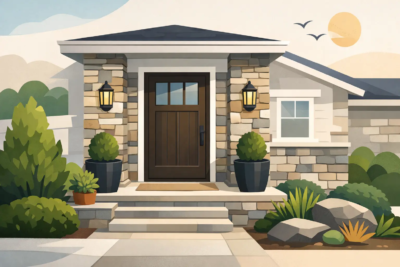

A front entry can change the entire impression of a home. The question of cut stone versus brick often comes down to that first look: do you want a clean, substantial stone façade with crisp lines, or the familiar rhythm and warmth of brick? Both materials have earned their place on Shenandoah Valley homes. The better choice depends on your home’s architecture, the size of the area you are covering, and the kind of character you want people to notice from the street.
For many homeowners, the answer is not an all-or-nothing decision. Cut stone and brick can work beautifully together when each is used where it has the most visual impact.
Cut Stone Versus Brick: The Visual Difference
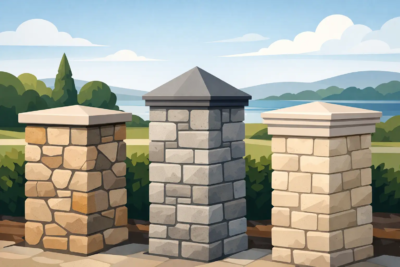
Cut stone veneer has a more intentional, architectural appearance. Individual pieces are shaped into defined rectangular forms, then installed in courses that can range from formal and refined to rugged and substantial. It brings order to a wall without making it feel flat. Variations in face texture, color, and stone size keep the finished surface from looking overly uniform.
Brick has a smaller, more repetitive module. That repetition gives it its classic appeal. A brick exterior can feel established, traditional, and comfortable, especially on Colonial, Federal, ranch, and cottage-style homes. Mortar color, bond pattern, and brick color have a major effect on the final result, but brick will generally read as more consistent from a distance than cut stone.
The scale is the most noticeable difference. Cut stone uses larger individual pieces, so it can make a modest front elevation feel more grounded and prominent. Brick’s smaller units can add texture without overwhelming a house, particularly on broad walls or homes with lots of windows and trim.
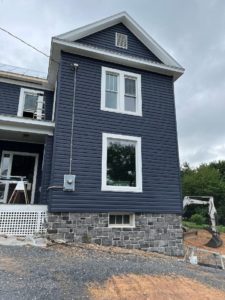
A homeowner updating a plain vinyl-sided façade may choose cut stone around the entry, on a foundation, or across a gable to create a stronger focal point. A homeowner restoring a traditional brick home may prefer to retain the brick and introduce stone at the chimney, porch columns, or landscape walls. The material should support the house rather than compete with it.
Where Cut Stone Makes the Strongest Statement
Cut stone is especially effective in locations that need visual weight. A tall chimney, a recessed entry, large porch piers, and a foundation wall all benefit from its stronger scale. It gives these structural features a finished, lasting appearance and can help connect a new addition to an existing home.
On new construction, cut stone veneer is often selected to break up long runs of siding. A full front façade can be striking, but it is not the only way to use stone. A well-proportioned wainscot, an entry surround, or stone columns may bring more balance than covering every available surface.
Cut stone also suits homes that lean toward Craftsman, mountain, farmhouse, European-inspired, or transitional design. Its clean edges work well with timber details, painted siding, dark window frames, and substantial roofing. In the Shenandoah Valley, it can complement both a wooded setting and a more open neighborhood lot because it has the natural presence of stone without requiring an overly rustic design.
For a project to feel complete, think beyond the wall surface. Coordinated caps, keystones, and address numbers can reinforce the same material palette at the porch, mailbox, retaining wall, or entrance. These details are small, but they keep the finished project from looking pieced together.
When Brick Is the Better Fit
Brick is often the more natural choice when the home already has a strong brick identity. Adding a completely different dominant exterior material can make an older house feel divided. If the existing brick is in good condition and its color suits the home, working with it may be the smartest design decision.
Brick also performs well on large elevations where a quieter, more even texture is desired. Its regular pattern can make a wide wall feel composed rather than busy. For homeowners who want a traditional look that will remain familiar across changing design trends, brick is a dependable choice.
There are practical advantages as well. Brick is widely understood by builders and homeowners, and matching or repairing a conventional brick installation can be straightforward when the original product is still available. That said, an exact match is not always easy on an older home. Differences in firing, weathering, mortar, and production batches can be visible, even when the new brick is close in color.
Brick is not automatically less expensive, nor is cut stone automatically the premium option in every project. Material selection, installation method, wall preparation, project size, site access, and the amount of detail around corners and openings all affect the final estimate. A smaller cut stone accent may deliver a major visual improvement with less material than a full brick façade. The right comparison is between complete project scopes, not just a per-piece price.
Consider Color, Mortar, and Contrast
Color is where good exterior plans become memorable. Brick often has blended reds, browns, buffs, or grays, while cut stone can offer a broader range of natural-looking tonal variation. Neither should be chosen in isolation.
Start with the permanent elements: roof shingles, window color, siding, and any existing masonry. A warm brick with a cool gray stone may look disconnected unless another element bridges the two. A gray cut stone with charcoal roofing and black accents can create a clean, current appearance, while warmer beige and brown tones tend to feel more traditional and relaxed.
Mortar deserves the same attention. A light mortar can emphasize the shape of cut stone and brighten the wall. A darker mortar can make the profile feel more grounded and can reduce contrast between the joints and the stone. With brick, mortar can either sharpen the brick pattern or soften it into a more blended field.
Before making a final selection, view samples outdoors at different times of day. Morning shade, bright afternoon sun, and wet weather can reveal different undertones. A color that looks ideal under showroom lighting may read very differently next to your siding and landscaping.
Installation and Maintenance Expectations
Both brick and manufactured cut stone veneer need proper installation. The preparation behind the visible material matters as much as the face of the wall. Flashing, drainage details, substrate condition, mortar work, transitions around windows and doors, and correctly finished corners all influence long-term performance.
Manufactured cut stone veneer is designed to provide the appearance of natural stone in a lighter, more manageable format. That can make it a practical option for exterior remodels, interior fireplaces, kitchen accents, and projects where full-depth masonry would not be appropriate. Its lighter weight does not remove the need for experienced installation. A carefully laid pattern, well-managed joint size, and clean transitions are what make stone veneer look convincing and polished.
Brick is also durable, but no masonry surface is maintenance-free. Mortar joints may eventually need attention, and all exterior materials benefit from keeping water away from vulnerable transitions. Avoid harsh cleaning methods that can damage masonry faces or mortar. When repairs are needed, address small issues before moisture has a chance to affect the wall system behind them.
A Better Way to Make the Choice
Rather than asking which material is universally better, ask what your home needs most. If the façade lacks depth, a defined entry, or a stronger connection to the landscape, cut stone may be the answer. If the home already carries traditional brick well and needs continuity, brick may deserve to remain the leading material.
Consider the view from the road as well as the view from the porch. A small stone accent that disappears from the street may not accomplish your curb-appeal goal. On the other hand, a full stone treatment can be too heavy for a compact house with limited wall space. Proportion is a design decision, not a product decision.
For homes that need both warmth and architectural definition, combining materials is often the most compelling path. Brick can establish a classic base, while cut stone gives special features such as chimneys, columns, foundations, and entry walls the attention they deserve. Grizzly Stone helps homeowners and building professionals select veneer profiles and finishing details that make those transitions feel purposeful.
The best exterior material is the one that makes your home look like it was designed that way from the beginning. Bring together your roof color, siding, existing masonry, and the areas you want to improve, then choose the stone or brick treatment that gives the house a more finished place in its setting.