
A modern farmhouse should feel settled into its setting, not assembled from a trend checklist. The right modern farmhouse stone accents bring weight, texture, and regional character to clean-lined architecture, helping a new build feel established and giving an older home a more intentional presence.
For homeowners across the Shenandoah Valley, stone veneer is often the element that closes the gap between a house that is finished and a home that feels complete. It can anchor a broad front elevation, give a fireplace real presence, or turn an ordinary porch column into a lasting architectural feature. The key is choosing the right stone profile, using it in the right places, and carrying the details through with purpose.
Why Stone Belongs in Modern Farmhouse Design
Modern farmhouse style balances contrast. It pairs simple forms with tactile materials, dark window frames with light siding, and crisp rooflines with natural-looking surfaces. Stone works because it softens those clean, contemporary lines without making the home feel overly rustic.
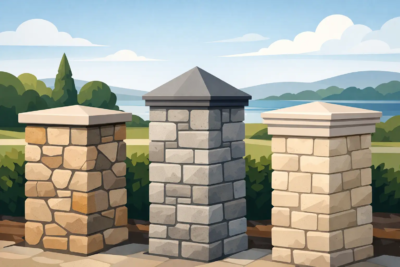
Unlike a full masonry exterior, manufactured veneer stone lets homeowners introduce that texture selectively. A field stone profile can suggest the character of an established Valley home. Ledge stone can create a more tailored, horizontal look. Stack stone offers sharper lines for projects that lean more contemporary. Each profile brings a different scale and visual rhythm, so the best choice depends on the architecture already in place.
Stone also earns its place practically. It performs well on high-visibility features that see everyday use and weather exposure, including foundations, chimneys, entry walls, columns, and outdoor living areas. When selected with the rest of the exterior palette in mind, it adds depth without requiring the entire home to be clad in one material.
Start With the Home’s Strongest Feature
The most successful modern farmhouse stone accents do not appear everywhere. They draw attention to the parts of the home that deserve emphasis: the entry, the chimney, the porch, or a prominent gable wall. Trying to add stone to every surface can make a home feel busy, especially when board-and-batten siding, shutters, timber details, and metal roofing are already in the mix.
Build a stronger front entry
A stone-wrapped entry surround or a pair of substantial porch columns can give the front of a home a clear focal point. This approach is especially effective on wide façades where a front door might otherwise seem undersized. Stone at the base of columns can also create a lighter look than wrapping each column from ground to roof.
For an entry, consider the scale of the stone against the scale of the porch. Large, irregular field stone can look handsome on a broad porch with heavy timber posts, while a more refined cut stone may better suit a narrower covered entry. The goal is for the stone to look proportional, not merely decorative.
Give the chimney architectural weight
A chimney is one of the most natural places to use stone. It already rises above the roofline and acts as a vertical anchor, making it an ideal counterpart to horizontal lap siding or long runs of board and batten.
A full-height stone chimney makes a strong statement, but partial coverage can work well too. A stone chimney base paired with siding above may suit a smaller home or a renovation budget. On a taller house, continuing the stone to the cap can create the kind of permanence that modern farmhouse architecture often calls for.
Use the foundation with restraint
A stone wainscot along the foundation can visually ground a home, particularly on sloped lots common throughout the Shenandoah Valley. It is a useful solution where exposed foundation walls would otherwise interrupt the exterior design.
This application needs careful planning. A low band of stone may look disconnected if the home has no other stone feature to relate to it. Repeat the material at a chimney, porch pier, or retaining wall to create continuity. Even a small amount of coordinated stone can make the entire elevation read as one design.
Choose a Stone Profile That Matches the Architecture
Modern farmhouse does not mean one specific color or profile. It is a broad design direction, and the right veneer should respond to the home rather than a single inspiration photo.
Field stone brings a time-worn, natural appearance with varied shapes and texture. It is well suited to homes designed to feel rooted in a rural or mountain setting. On a farmhouse with white siding, warm wood accents, and a deep front porch, field stone can add the sense of history that balances newer construction.
Cut stone has a cleaner, more deliberate appearance. Its more consistent edges work well with symmetrical façades, black-framed windows, and simple trim packages. It can feel traditional or contemporary depending on color and mortar treatment.
Ledge stone emphasizes horizontal movement. It is a fitting choice for long foundation runs, fireplaces, and outdoor kitchens, where its layered shape can visually widen the feature. Stack stone tends to be more linear and refined, making it a strong option for accent walls and homes with a more modern interpretation of farmhouse style.
Color matters just as much as profile. Gray and charcoal blends pair naturally with black accents and cooler white siding. Buff, tan, and soft brown blends bring warmth to cream siding, natural timber, and bronze fixtures. In many cases, a blend with a range of tones is more forgiving than a single dominant color because it connects to roofing, trim, landscaping, and changing light throughout the day.
Carry Stone Details Beyond the Main Wall
A well-designed stone project is not only about the veneer itself. Finishing components help the work look planned from the beginning rather than added at the end.
Wall caps and pier caps provide a clean, durable finish for porch piers, landscape walls, and mailbox structures. Architectural keystones can add definition above arched openings or prominent entry features. Coordinated stone street numbers offer a small but memorable detail at the curb. These elements are particularly useful when renovating, because they can tie a new stone feature back to existing hardscaping or landscaping.
The trade-off is simple: not every feature needs an embellishment. Use finishing pieces where they solve a visible transition or reinforce a focal point. A pier cap has a job to do. A keystone should support the design of an opening. Details that serve the architecture will always look better than details applied simply because they are available.
Bring Stone Indoors Where It Has Purpose
Stone accents are just as effective inside a modern farmhouse, provided they relate to the home’s exterior and daily use. A fireplace surround is the most natural starting point. It gives a living room a durable center and provides texture against painted walls, built-in shelving, or a simple wood mantel.
An interior stone accent wall can work in a foyer, dining area, or lower-level family room, but placement matters. A wall that already has a visual purpose, such as the wall behind a fireplace or the backdrop for a stair landing, will carry stone more naturally than a random stretch of drywall.
Keep lighting in mind. Stone reveals its depth through shadow, so directional sconces, recessed lighting, and daylight from nearby windows can make a significant difference. In a dark room, a very deep or heavily varied stone profile may feel heavier than expected. A lighter blend or more tailored cut stone may be the better fit.
Plan for a Cohesive Exterior, Not an Isolated Upgrade
Before choosing stone, look at the full property: siding color, roof tone, trim, porch materials, windows, driveway, and landscape walls. Stone should relate to at least two or three of those elements. A cool gray veneer may look right beside black windows and slate-colored roofing, while warm field stone may complement cedar details and a natural gravel drive.
This is where local experience matters. A stone selection that looks right on a large suburban home may feel out of scale on a compact cottage, while a profile chosen for a dramatic mountain view might overwhelm a neighborhood lot. Grizzly Stone helps homeowners, builders, and remodelers evaluate profiles and coordinated details with the actual project in view.
The best stone choices feel inevitable once they are installed. They give a home a stronger base, a more welcoming entry, or a fireplace worth gathering around. Whether the project is a new façade, a chimney remodel, or a few carefully placed porch accents, choose stone that makes the house feel more like it belongs exactly where it stands.