
A plain front wall, a dated brick chimney, or an unfinished foundation can make an otherwise well-kept home feel incomplete. The manufactured stone veneer Shenandoah Valley homeowners choose is often the detail that brings those areas into focus. It adds depth, texture, and architectural presence without requiring a full natural-stone installation.
For a new build, stone veneer can establish the character of the entire exterior. For a renovation, it can give an existing home a stronger entry, a more substantial chimney, or a finished appearance at the foundation. The best result comes from more than choosing a color sample. It comes from selecting a profile, scale, and set of finishing details that suit the house and the setting.
Why Stone Veneer Fits Shenandoah Valley Homes
The Shenandoah Valley has a broad range of home styles, from traditional farmhouses and historic-inspired properties to craftsman homes, mountain retreats, and clean-lined new construction. Stone has long been part of the region’s visual character, which makes manufactured veneer a natural choice for homeowners who want a grounded, lasting look.
Manufactured stone veneer is designed to provide the texture and variation associated with stone while remaining a practical cladding option for many exterior and interior applications. Used thoughtfully, it can complement siding, brick, stucco, timber accents, and painted trim rather than compete with them.
A full stone façade is not the right answer for every home. Sometimes a well-proportioned stone wainscot, front-entry surround, chimney, or set of columns makes a greater impact. Focusing stone where the eye naturally lands can create curb appeal while keeping the overall design balanced.
Start With the Feature That Needs the Most Attention
Before selecting a stone profile, look at the house from the street and identify what feels underdeveloped. A tall blank gable, a narrow entry, an exposed foundation, or a chimney that disappears into the siding may be the place where veneer can make the strongest difference.
Front Entries and Columns
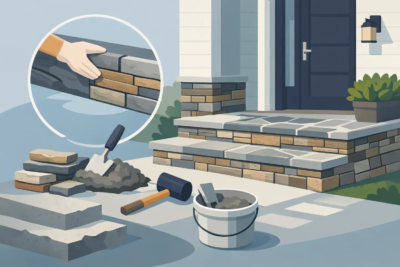
An entry is one of the most effective places to use stone. Veneer around the lower portion of a porch, on columns, or across an entry wall helps create a clear arrival point. It can make a modest porch feel more permanent and give the front elevation a stronger sense of scale.
For homes with narrow lots or smaller façades, restraint matters. A lighter field stone or a cleaner stack stone profile can provide texture without visually crowding the entry. Larger homes may support more substantial cut stone, wider column bases, or a deeper stone wainscot.
Chimneys and Foundations
A stone chimney can become a defining exterior feature, especially on homes with a covered porch, rear patio, or fireplace visible from the street. The profile should relate to the home’s proportions. Heavier, rugged stone often works well on rustic or traditional designs, while consistent ledge stone can suit more contemporary architecture.
Foundation veneer is equally useful when it is properly planned. It gives a home a finished base and can help visually connect separate materials, such as siding above and masonry at an entry. The key is establishing a clean transition line and selecting colors that work with the roof, trim, and surrounding landscape.
Interior Accent Areas
Stone veneer is not limited to the exterior. Fireplace surrounds, feature walls, kitchen accents, and lower-level gathering spaces can benefit from its texture and warmth. Interior applications invite a different level of consideration because lighting, furniture, and room size affect how the stone reads.
In a smaller room, a highly varied or dark profile may feel busy. In a large great room, that same profile can add the visual weight needed to anchor a fireplace wall. Samples should be viewed where they will be installed, not only outdoors or under showroom lighting.
Choose a Stone Profile That Matches the Architecture
A beautiful stone profile can still feel out of place if it does not support the home’s overall style. The goal is not to make every house look rustic or every remodel look brand new. The goal is to choose stone that feels like it belongs.
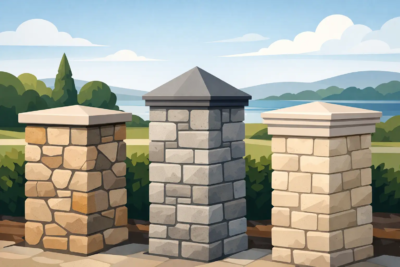
Cut stone offers a more tailored appearance, with defined edges and an architectural look that works well on formal façades, entries, and columns. Field stone has a more natural, irregular character and often complements traditional homes, rural properties, and designs that call for a relaxed, time-worn feel.
Ledge stone emphasizes horizontal movement. It can make a wide wall feel even broader and is a strong choice for fireplaces, foundation accents, and contemporary exteriors. Stack stone presents a more linear, refined surface that works especially well on clean-lined feature walls and modern outdoor living areas.
Color deserves the same attention as profile. Gray and charcoal blends can pair well with black windows, cool siding colors, and contemporary trim. Warmer browns, buffs, and soft earth tones often complement natural wood, traditional brick, and homes set against the Valley’s rolling landscapes. It depends on the surrounding materials. A stone that looks excellent beside a sample board may clash with a roof color or existing brick once it is installed.
Plan the Details Before Installation Begins
Stone veneer looks most convincing when the project has clear edges and intentional transitions. This is where coordinated architectural components can make the difference between an added material and a complete design.
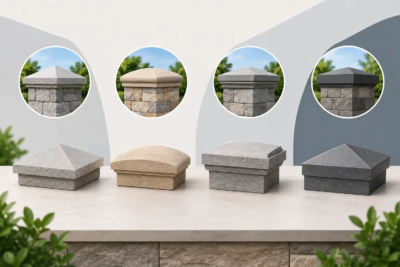
Wall caps and pier caps give columns, retaining walls, and landscape features a finished top line. Keystones can add distinction to an arched opening or entry detail. Address numbers made to coordinate with the veneer can help carry the material palette from the façade to the smallest visible element.
These details are not required on every project. A simple foundation accent may need only a crisp termination and thoughtful landscaping. But on a prominent front elevation, matching caps and architectural accents can prevent the design from looking pieced together.
It is also wise to discuss corners, trim returns, window and door transitions, and the point where veneer meets other materials before materials are ordered. Installation should follow applicable building requirements and manufacturer specifications, including appropriate wall preparation, flashing, drainage considerations, and properly installed accessories. A qualified mason or installer can help identify conditions that affect the scope, particularly on older homes or remodels.
Think Beyond the First View From the Street
Curb appeal matters, but the best veneer projects improve the way a property feels from several angles. Consider the walk from the driveway to the front door, the view from a patio, and the sight lines from main interior rooms. A chimney veneer that carries around a corner, for example, may create a stronger result than a stone face that stops abruptly where it is most visible.
Landscape planning should be part of the conversation as well. Low plantings can soften a stone foundation without hiding it. Outdoor lighting can bring out texture in the evening, but fixtures should be positioned carefully so they highlight the wall rather than create harsh shadows. On sloped Valley properties, stone can also connect the house visually to retaining walls, piers, or outdoor kitchen features.
A Better Approach to Manufactured Stone Veneer in the Shenandoah Valley
The right project begins with a clear purpose: strengthen an entry, update a fireplace, finish a new home’s façade, or give a dated exterior more character. From there, the decisions become more manageable. Choose a profile that fits the architecture, a color blend that works with permanent materials, and finishing pieces that make the installation look intentional.
Grizzly Stone works with homeowners, builders, and masonry professionals throughout the region to select custom-made veneer stone and coordinated details for projects of every scale. Whether the plan calls for field stone on a chimney, ledge stone around a foundation, or stack stone for an interior feature wall, an estimate should reflect the actual application, dimensions, transitions, and desired finish.
A well-chosen stone veneer project does more than cover a wall. It gives a home a sense of permanence and personality – the kind of detail that still feels right every time you pull into the driveway.