
A plain front elevation can make an otherwise well-built home feel unfinished. The right stone treatment changes that first impression at the driveway, framing an entry, grounding a foundation, or giving a chimney the presence it deserves. This residential stone veneer guide is designed for Shenandoah Valley homeowners who want more than a material choice – they want a home that looks thoughtfully finished.
Manufactured stone veneer offers the character of natural stone in a practical, versatile format for exterior and interior projects. The strongest results come from making a few design decisions before ordering material: where stone belongs, which profile fits the house, how color relates to the siding or brick, and which finishing pieces will make the installation feel complete.
What Residential Stone Veneer Can Do for a Home
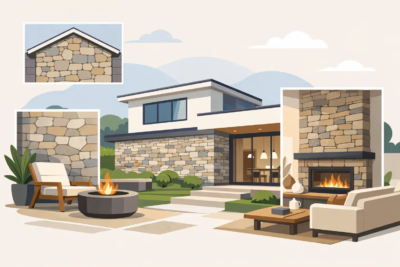
Stone veneer is a facing material made to recreate the texture, shape, and color variation of quarried stone. It is commonly installed over properly prepared wall systems on exterior façades, chimneys, foundations, columns, retaining features, and interior accent walls. Because it is lighter than full-bed natural stone, it opens up design options that may not be practical with structural masonry.
For many homeowners, the best use is strategic rather than wall-to-wall. Stone around the front entry can give a simple colonial or craftsman-style home more depth. A veneer chimney can turn a blank siding wall into an architectural focal point. Stone at the foundation can visually anchor a home on a sloped Shenandoah Valley lot, especially where exposed concrete would otherwise dominate the view.
A larger application can be equally effective when it suits the architecture. New construction with broad gables, a prominent garage, or a wraparound porch may need stone across the full front elevation to feel balanced. The question is not whether more stone is always better. It is whether the stone has a clear role in the design.
Start With the Architecture, Not the Sample Board
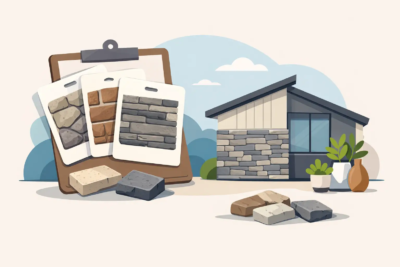
A stone sample is useful, but it cannot show how a profile will read across a chimney, under changing daylight, or alongside your roof color. Begin by looking at the permanent features of the house: roof shingles, siding, brick, trim, window grids, and landscaping. Stone should support those elements rather than compete with them.
Homes with traditional proportions often work well with field stone or cut stone profiles that suggest established masonry. Farmhouse-inspired and rustic mountain styles can carry broader texture and more irregular shapes. Ledge stone creates strong horizontal movement that fits many contemporary, craftsman, and lodge-inspired homes. Stack stone has a clean, layered appearance that can bring definition to a modern entry, column, or fireplace.
Color deserves the same attention. A blend with warm tans, browns, and subtle rust tones often complements earth-toned siding and warm brick. Grays, charcoals, and cooler neutral blends can pair beautifully with black windows, gray roofing, or crisp white siding. Avoid choosing stone only because one color catches your eye. The goal is a relationship between materials that will still feel right when viewed from the street.
It also helps to think about scale. Large, dramatic stone shapes on a small ranch entry may overwhelm the façade, while a finely textured profile can disappear on a tall two-story chimney. Viewing project photos with similar home styles and application sizes gives a more reliable sense of proportion than a small hand sample alone.
Choose a Profile That Matches the Project
Each stone profile creates a distinct architectural effect. The right choice depends on the home, the location of the installation, and how much visual movement you want.
Cut Stone and Field Stone
Cut stone has a more tailored appearance, with defined edges and an orderly masonry feel. It is a strong choice for formal entries, foundation facings, columns, and homes that need a classic, established look. Field stone is more irregular and rounded in character, bringing a natural, collected-stone appearance to cottages, rural properties, chimneys, and outdoor features.
Ledge Stone and Stack Stone
Ledge stone emphasizes long, horizontal pieces and can make a wall feel wider and more grounded. It works especially well on low foundation walls, fireplaces, and broad exterior elevations. Stack stone has tighter, layered lines and a more contemporary finish. It is often effective in smaller focal areas where texture is wanted without the visual weight of larger stone shapes.
There is no universally correct profile. A full façade may call for a quieter blend with restrained texture, while a fireplace or porch column can handle bolder character. If your project includes several stone locations, using the same profile throughout usually creates a stronger result than mixing unrelated styles.
Plan the Stone Layout Before Installation
The line where stone meets siding, stucco, or another cladding matters as much as the stone itself. Random transition heights can make an addition look accidental. Intentional lines, such as a consistent wainscot height, a clear break beneath windows, or a full chimney face, make the design feel tied to the architecture.
Corners need planning as well. On a front bump-out or column, return stone around visible sides so the feature reads as masonry rather than a thin front application. Coordinate the stone with trim widths, porch posts, lighting, shutters, and door color before the work begins. Small conflicts are easier to solve on paper than after veneer is installed.
For an exterior project, proper wall preparation is non-negotiable. Veneer requires a suitable substrate, weather-resistant barrier, flashing, drainage provisions, lath where applicable, mortar, and installation methods appropriate to the wall system and local conditions. A qualified mason or contractor should evaluate the existing surface, especially on renovations where moisture management, damaged sheathing, or prior cladding may affect the work.
This is also where local experience is valuable. Virginia weather brings humidity, rain, winter freeze-thaw cycles, and seasonal temperature swings. A well-detailed installation protects the wall behind the stone and helps preserve the appearance of the finished work for years to come.
Do Not Treat Finishing Pieces as an Afterthought
The details around stone are what separate a good-looking installation from a complete architectural feature. Caps, keystones, address numbers, and trim elements establish clean endpoints and give the design a finished purpose.
A wall cap can provide a polished top edge on a low retaining wall, porch wall, or outdoor kitchen. Pier caps give masonry columns visual weight while protecting their exposed top surfaces. A keystone can add distinction over an arched opening or entry detail. Coordinated street numbers are a smaller touch, but they can tie the front elevation together in a way standard hardware rarely does.
These components should be selected alongside the stone, not after the main material is on the wall. Matching texture and color from the beginning prevents the common problem of a beautifully veneered chimney or entry that ends abruptly with an unrelated cap or trim piece.
Budget for the Whole Visual Result
Stone veneer costs vary by profile, coverage area, site conditions, wall preparation, layout complexity, access, and labor. A simple foundation accent on a clear, accessible wall is very different from a tall chimney renovation with removal work, scaffolding, flashing repairs, and detailed corners.
When comparing estimates, look beyond square-foot material pricing. Confirm what is included for preparation, flashing, installation, grout or mortar treatment, corner pieces, cleanup, and finishing components. If one estimate is significantly lower, ask whether it includes the details needed for a durable installation.
For a focused curb-appeal upgrade, placing stone at the entry, foundation, or chimney may deliver more impact per dollar than covering every available surface. For a new build, planning the veneer alongside siding, roofing, windows, and porch construction can prevent expensive design changes later. It depends on the architecture and on which part of the home needs the strongest visual lift.
Bring the Design Together With Local Guidance
A stone project should feel at home in its setting, whether that means a traditional field stone chimney near Massanutten, a crisp stack stone entry in Harrisonburg, or a warm cut stone foundation on a renovated Staunton property. The best selections respect the house while giving it a stronger identity.
Grizzly Stone helps homeowners, builders, and masonry professionals choose manufactured veneer profiles and coordinated architectural details for projects throughout the Shenandoah Valley. Bring photos of the home, exterior color samples, rough measurements, and ideas for the areas you want to improve. Those details make it easier to select stone that looks intentional from the first course to the final cap.
A well-chosen veneer project does more than cover a wall. It gives the home a sense of permanence, highlights the places people notice first, and turns everyday exterior details into something worth coming home to.