
A full stone façade can make a home feel grounded in the Shenandoah Valley landscape. But when the estimate arrives, homeowners often face the practical question behind the look they want: natural stone versus veneer. Both can create a handsome chimney, welcoming entry, fireplace surround, or foundation accent. The better choice depends on the project’s structure, budget, design goals, and the amount of stone you want to use.
For many Virginia homes, manufactured stone veneer delivers the character of stone while making a larger visual transformation more achievable. Natural stone has a presence all its own, but it also brings greater weight, labor demands, and material variation. The right answer is not simply which material is “better.” It is which material fits your home and the result you want to see every day.
Natural Stone Versus Veneer: The Core Difference
Natural stone is quarried material cut, split, or shaped for installation. Its color, mineral patterns, texture, and irregularities are formed by nature. It may be installed as full-bed stone, which is substantial in thickness and weight, or as natural thin stone veneer, which is cut thinner for wall applications.
Manufactured stone veneer is made from a carefully designed concrete mixture and molded from real stone profiles. Quality veneer is colored and textured to recreate the appearance of fieldstone, ledgestone, cut stone, or stacked stone while remaining much lighter than full-bed natural stone. In this article, “veneer” refers to manufactured stone veneer unless natural thin stone veneer is specifically mentioned.
That distinction matters because a full-bed natural stone wall and manufactured veneer are not interchangeable building systems. One is a heavy masonry material that can affect footings, wall design, and installation methods. The other is a cladding material installed over properly prepared wall surfaces, giving homeowners greater freedom to add stone where it will have the most impact.
Weight Changes the Scope of the Project
The biggest practical difference between natural stone and manufactured veneer is weight. Full-bed natural stone can require significant structural support. On a new build, that can influence foundation and framing decisions from the start. On a remodel, it may limit where stone can be added or require additional work before installation begins.
Manufactured veneer is substantially lighter, which makes it suitable for many exterior walls, framed chimneys, interior accent walls, and renovation projects. A dated front elevation can gain a stone water table, a defined entry surround, or a stronger chimney presence without rebuilding the home around a heavy masonry finish.
This does not mean veneer is a shortcut that can be installed without care. Proper preparation, flashing, drainage details, substrate work, mortar application, and installation technique still determine how a finished wall performs. The material is lighter, but the craftsmanship remains essential.
For homeowners adding stone to an existing house, weight often makes the decision clearer. If the goal is to elevate curb appeal with a front façade accent, columns, a fireplace, or a chimney remodel, veneer can provide a practical path to a dramatic change.
Appearance: Real Variation or Designed Consistency?
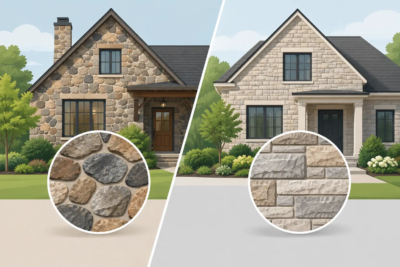
Natural stone offers variation that cannot be duplicated exactly. Individual pieces may include mineral veining, weathered edges, color shifts, and unique textures. For a historic restoration, a traditional estate, or a project intended to use local-looking quarried material, that natural inconsistency may be precisely the point.
At the same time, natural variation can make planning more difficult. The color range in a shipment may be broader than a homeowner expects, and matching additional stone later can be challenging. It also takes an experienced eye to blend pieces well across a large wall.
Manufactured veneer gives homeowners more control over the finished appearance. A chosen profile can maintain a consistent family of colors, shapes, and textures throughout a project. That is valuable when the stone needs to work with siding, brick, roofing, trim, and landscape materials rather than compete with them.
A cut stone veneer can give a formal entry clean lines and architectural definition. Fieldstone can create a more relaxed, regional character around a porch or foundation. Ledge stone and stack stone profiles can bring a sharper, more contemporary texture to fireplaces, columns, and accent walls. The right profile should complement the home’s architecture, not just look good on a sample board.
Cost Is More Than the Price Per Square Foot
Natural stone generally carries a higher total installed cost, especially when full-bed stone is involved. Material sourcing, transportation, structural support, cutting, handling, and skilled masonry labor all affect the final number. The larger the coverage area, the more those factors can shape the budget.
Manufactured veneer is often more cost-efficient because it weighs less, is easier to handle, and can reduce structural demands. That can allow a homeowner to put stone in more visible places rather than limiting it to a small area. Instead of choosing between a stone chimney or a stone entry, a well-planned veneer project may make it possible to create a coordinated façade with both.
Still, the lowest material price should not drive the decision. An incomplete design can look less intentional than a smaller project with the right transitions and finishing details. Wall caps, pier caps, keystones, address numbers, and properly selected trim can turn separate stone features into a home that looks designed as one whole.
When comparing estimates, ask what is included beyond the stone itself. Preparation, accessory pieces, corner units, mortar, flashing requirements, demolition, site access, and installation details can all affect cost. A clear estimate helps prevent a beautiful idea from becoming a frustrating surprise midway through construction.
Durability Depends on Material and Installation
Natural stone is exceptionally durable. It has been used in buildings for centuries, and its solid mass can stand up to weather, impact, and time. It is a strong fit where true masonry construction is desired and the home is designed to support it.
Manufactured veneer is also made for long-term exterior and interior use, but its performance depends heavily on a correct installation. Water management is especially important in Virginia’s changing seasons. The wall must be prepared so moisture is directed where it should go, rather than becoming trapped behind the stone.
Homeowners should also consider location. A low foundation wall near planting beds, a busy exterior corner, and a covered fireplace wall do not face the same conditions. A qualified installer can help determine appropriate details for the application rather than treating every surface alike.
Neither option is maintenance-free in the broadest sense. Natural stone may need occasional cleaning or mortar repair over time. Veneer may need gentle cleaning and periodic inspection of surrounding caulk, flashing, and joints. Harsh pressure washing and aggressive chemicals are poor choices for either material.
Where Veneer Makes the Most Sense
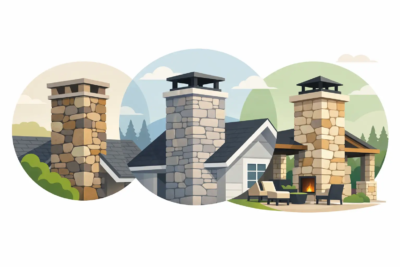
Manufactured veneer is especially compelling when the project calls for visible architectural impact without the scale of full masonry construction. It works well on front elevations, gables, entryways, chimneys, foundations, porch columns, outdoor kitchens, retaining accents, and interior fireplaces.
It is also a strong choice when a homeowner wants a cohesive look across several features. Matching a stone façade accent with coordinated caps, house numbers, and pier details creates a finished appearance that feels intentional from the street. For builders and remodelers, this consistency can help a new home or renovation carry a stronger design identity.
At Grizzly Stone, custom-made veneer profiles and coordinated architectural pieces give local homeowners and professionals options beyond a one-size-fits-all stone selection. The goal is not to cover every wall simply because stone is available. It is to place the right stone in the places that make the house feel more complete.
When Natural Stone May Be Worth It
Natural stone may be the better fit when authenticity is the central priority, when the project is a substantial masonry build, or when the home’s architecture calls for the depth and mass of full-bed stone. A high-end estate, historic-inspired construction, or freestanding stone landscape feature may justify the added investment.
Natural thin stone veneer is another option for homeowners who want genuine quarried stone in a thinner format. It can offer a middle ground in weight and application, though it typically remains more expensive than manufactured veneer and still benefits from experienced stone installation.
The key is to be honest about what you value most. If you are drawn to true geological variation and are prepared for its cost and installation requirements, natural stone has lasting appeal. If you want carefully selected color, reliable profile options, and broad design flexibility, manufactured veneer can deliver a beautiful result that is easier to bring into the project.
Before choosing, look at full sample panels in natural light and consider them beside your roof, siding, brick, and trim. A stone selection that feels right in a showroom should also feel right on your home at morning, midday, and dusk. The best choice is the one that makes your house look like it was always meant to stand exactly where it does.