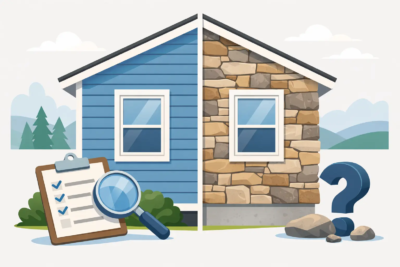

A chimney can make a modest home feel grounded and complete, or it can look like an afterthought. The same is true of a front entry, foundation skirt, porch column, or interior fireplace. When homeowners compare fieldstone versus cutstone, they are usually choosing more than a stone profile. They are deciding whether their home should feel more organic and time-worn or more tailored and architectural.
Both styles can create a beautiful result in manufactured stone veneer. The better choice depends on the home’s proportions, its setting, the surrounding materials, and the visual character you want to see every time you pull into the driveway.
Fieldstone Versus Cutstone at a Glance
Fieldstone is known for irregular shapes, varied face sizes, softened edges, and a naturally gathered appearance. It recalls stones collected from old fields, creek beds, and rural properties. Its appeal comes from variation. Individual pieces do not need to line up perfectly because the profile is meant to feel layered, relaxed, and naturally formed.
Cutstone has a more intentional geometry. Faces are commonly squared or rectangular, with cleaner edges and more consistent courses. Depending on the color blend and profile, cutstone can lean traditional, colonial, craftsman, or contemporary. It still has texture and depth, but it presents a more orderly pattern across the wall.
Neither look is automatically more formal, more durable, or more valuable. Quality installation and thoughtful design matter more than the name of the profile. The question is which profile belongs on your particular home.
When Fieldstone Feels Right
Fieldstone is often the natural choice for homes that need warmth, texture, and a strong connection to the Shenandoah Valley landscape. A home set back on acreage, a rustic retreat, a farmhouse-inspired new build, or a property surrounded by mature trees can all benefit from its less structured character.
On an exterior, fieldstone gives broad wall areas movement. This can be especially helpful on a tall chimney, a large foundation facing a driveway, or a prominent gable feature. Instead of reading as one flat surface, the stone catches light differently across its varied shapes and textures.
It also works well when the house includes materials with their own natural variation. Wood siding, stained timber details, brick, board-and-batten, and earthy painted finishes can all pair comfortably with fieldstone. The goal is not to make every material match exactly. It is to make them feel like they belong to the same property.
Fieldstone does require restraint. On a smaller home, covering too many elevations with a highly varied profile can make the exterior feel busy. It is often most effective when used as a focal material: around an entry, on the lower portion of a façade, at a chimney, or on substantial porch columns. A consistent color family helps the result feel composed rather than random.
Best uses for fieldstone
Fieldstone is particularly well suited to exterior chimneys, foundation accents, covered porch columns, outdoor living areas, retaining-wall features, and interior fireplaces. It can also bring welcome character to a plain front elevation that needs more depth without a full exterior remodel.
For homeowners updating an older house, fieldstone can soften the transition between original architecture and newer additions. Its visual irregularity is forgiving in a good way: it feels established rather than freshly assembled.
When Cutstone Is the Better Choice
Cutstone brings order to a design. Its more uniform faces and defined edges make it an excellent fit for homes with crisp rooflines, symmetrical windows, clean trim, and clearly organized elevations. Think of a colonial-style entry, a craftsman front porch, a traditional brick-and-siding home, or a new build with strong architectural lines.
Because the pieces appear more structured, cutstone is effective in places where the eye expects precision. A front door surround, a fireplace wall, a wainscot-style foundation treatment, or a set of entry columns can all look refined with a cutstone profile. The stone frames the architecture instead of competing with it.
Cutstone can also make a smaller feature feel substantial. A narrow chimney or compact porch pier may not have enough surface area to show off large, irregular stone faces. More consistent pieces can create a cleaner scale and keep the feature from looking crowded.
For a homeowner seeking a classic look that will remain adaptable through future paint, siding, or landscaping updates, cutstone is often a smart direction. It has enough texture to feel authentic, while its structure makes it easy to coordinate with many exterior styles.
Best uses for cutstone
Consider cutstone for front entries, formal exterior columns, foundation veneers, fireplaces, interior accent walls, and architectural bands. It is also an excellent choice for homes where stone needs to complement brick rather than overpower it. Selecting a blend with colors that relate to the brick mortar, roof, or trim can bring separate materials into one cohesive design.
Shape Is Only Part of the Decision
It is easy to focus on profile shape and overlook the other choices that determine the finished appearance. Color, grout treatment, installation pattern, and finishing pieces all influence whether the stone looks convincing and appropriate for the home.
A warm blend of browns, grays, and muted buff tones can give fieldstone a traditional Valley character. Cooler grays or a more controlled palette can make the same general profile feel more current. Cutstone can appear stately in a warm neutral blend or sharply contemporary in charcoal, gray, and cream tones.
Grout deserves the same attention. A more visible grout joint can emphasize the individual stones and heighten a rustic fieldstone look. Tighter joints can make cutstone appear cleaner and more monolithic. There is no universal right answer, but the treatment should be discussed before installation begins, not after the wall is underway.
Scale matters as well. Larger stone faces tend to suit expansive chimneys, broad façades, and substantial homes. Smaller pieces can work better on interior walls, compact columns, and detailed areas around doors or windows. A profile may look beautiful in a sample board but feel out of proportion when applied to a tall two-story feature.
Match the Stone to the Project Location
The location of the stone on your property should guide the choice. An entry is seen up close, so details such as edge definition, color variation, caps, and keystones become more noticeable. A chimney is viewed from farther away, where large-scale texture and silhouette matter more.
For an interior fireplace, consider how the stone relates to flooring, mantel material, cabinetry, and the room’s light. Fieldstone can create a relaxed focal point in a family room or mountain-inspired space. Cutstone can provide a more tailored anchor for a living room, dining space, or finished basement.
Outdoor applications have their own demands. Stone on a porch or patio should relate to nearby hardscape, railings, exterior lighting, and landscaping. A beautifully selected profile can still feel disconnected if the wall caps, pier caps, or address numbers look like unrelated additions. Coordinated architectural details give the project the finished quality homeowners are after.
Avoid the “Sample Board” Mistake
A small sample is useful, but it cannot show the full rhythm of a stone wall. Ask to see completed projects with a similar profile and application. Pay attention to how the stone looks in shade and direct sun, how colors read next to siding or brick, and how corners and transitions are handled.
It is also worth stepping back from the house. The best stone choice should look good from the curb, from the front walk, and at the distance where neighbors and guests first see it. Up close, texture is compelling. From farther away, the overall color mass and pattern are what shape curb appeal.
Grizzly Stone helps homeowners and building professionals consider these details as part of a complete veneer selection, including the finishing components that carry the design across columns, walls, and entry features.
Choose Character, Not Just a Category
Choose fieldstone when your home needs natural variation, a relaxed sense of permanence, and a connection to its landscape. Choose cutstone when the architecture calls for clearer lines, balanced proportions, and a more tailored finish. In some projects, the strongest solution is a carefully selected profile that borrows the warmth of one look and the structure of the other.
The right stone should not merely fill a wall. It should make the chimney feel anchored, the entry feel welcoming, and the whole home feel more like it was designed to be there.