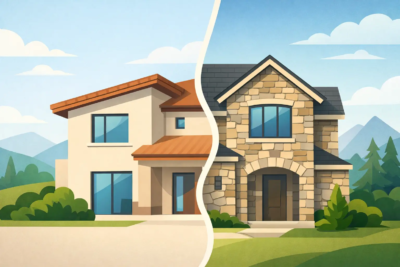

A new home can have every modern convenience and still feel unfinished from the street. Broad siding, a plain foundation, or a chimney without a defined material change can leave a façade looking flat. New construction veneer gives a home the visual weight, texture, and architectural character that make it feel established from the day it is complete.
For homeowners and builders in the Shenandoah Valley, stone veneer is not simply a final decorative choice. It is a chance to establish the home’s personality early, when the exterior, entry, chimney, columns, and landscape features can be planned as one cohesive design.
Why Veneer Belongs in the Early Design Conversation
Stone is often considered late in the building process, after siding colors, roofing, and trim selections are already set. That approach can work for a small accent, but it limits the impact of the material. When veneer is selected during design and estimating, it can guide proportions, transitions, and details across the entire exterior.
A fieldstone profile may support a relaxed, established look for a home on acreage. Clean-cut stone can bring a more tailored finish to a traditional or transitional elevation. Ledge stone and stack stone can create strong horizontal lines that suit contemporary homes, mountain-style homes, and defined entry features. The right profile does more than add color. It changes how the home sits on the property.
Early planning also keeps the stone from looking applied as an afterthought. A well-designed veneer installation considers where materials begin and end, how corners are finished, and whether the stone connects visually with porch posts, foundation walls, chimneys, or retaining features. These decisions are easier to make before construction is moving quickly.
Where New Construction Veneer Has the Most Impact
Not every new home needs stone across the full front elevation. In fact, selective use often creates the strongest result. The scale of the house, its roofline, the setting, and the architectural style should determine how much veneer is appropriate.
Foundation and lower façade areas
A stone foundation treatment gives a home a grounded appearance, especially on sloped lots where exposed foundation walls are more visible. It creates a natural visual base beneath siding or stucco and can help tie the house to a rural, wooded, or foothill setting.
The transition point matters. A consistent stone height that follows the architecture usually looks intentional, while uneven or arbitrary placement can make the exterior feel fragmented. Window placement, porch floors, and grade changes should all be considered before the veneer height is finalized.
Entryways and front porches
The front entry is often the best place to invest in distinctive materials. Veneer around an entry, on porch columns, or along a low porch wall creates a clear arrival point and gives visitors an immediate sense of the home’s quality.
This is also where coordinated details make a difference. Caps can provide a finished top edge for low walls and piers. A carefully selected keystone can add definition to an arched opening. Even architectural street numbers can reinforce the same material language instead of becoming a separate, overlooked choice.
Chimneys and fireplaces
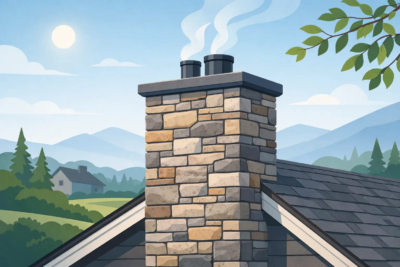
A chimney is naturally suited to stone, whether it is a prominent exterior feature or a smaller projection along one side of the home. Veneer gives the chimney visual presence and helps it relate to the surrounding façade. When the same stone continues indoors around a fireplace, the home gains a strong connection between exterior architecture and interior living space.
For a chimney remodel, stone can correct a dated appearance. On a new build, it can prevent the chimney from becoming an isolated element with no relationship to the rest of the house.
Gables, garages, and accent walls
Gable accents and garage-side stone can add dimension to wide elevations, but restraint is valuable. Too many disconnected stone sections can weaken the design. A good rule is to place veneer where the architecture already creates a natural focal point: under a prominent gable, around the main entry, along a projecting bay, or at the base of a substantial garage wall.
Inside, a veneer accent wall, fireplace surround, or lower-level feature can carry the exterior palette into the home without making every room feel overly themed.
Choosing a Stone Profile That Fits the House
The right veneer selection depends on more than personal preference. A sample that looks beautiful on its own can feel too busy, too dark, or too formal once it is installed across a large surface. Consider the stone alongside roof color, mortar selection, siding, trim, and the natural light around the property.
Field stone typically offers a more organic, varied appearance. It works well on homes intended to feel rooted in the landscape or inspired by traditional Valley construction. Cut stone has a more orderly face and can complement homes with balanced façades, crisp trim, and classic proportions.
Ledge stone emphasizes horizontal movement and can make a wall feel broader and more settled. Stack stone has a tighter, more linear appearance that lends itself to clean architectural accents. None of these profiles is universally better. The best choice is the one that supports the home’s lines rather than competing with them.
Color deserves the same careful attention. Warm blends can complement earth-toned siding, bronze metal, and natural wood. Gray or cooler blends may suit black windows, white siding, and a more contemporary palette. In the Shenandoah Valley, the surrounding landscape changes dramatically from season to season, so a stone color should look at home against green summer foliage, bare winter trees, and the softer tones of the local terrain.
Details That Keep the Exterior Cohesive
The difference between a good-looking stone application and a finished architectural exterior often comes down to the details. Corners, caps, sills, and transitions are not minor items. They define the craftsmanship of the installation.
For example, a pier cap gives a column or low wall a clear endpoint while protecting the top surface from weather. Wall caps create a finished edge on seating walls, landscape walls, and porch enclosures. Matching or complementary street numbers can make the address part of the design rather than an item added later from a hardware aisle.
Mortar also affects the final appearance. A lighter mortar can brighten stone joints and bring out individual shapes. A darker or more blended mortar can create a quieter, more unified field. Joint style, depth, and consistency should match the character of the selected profile. A refined cut stone treatment may call for a different finish than a rustic fieldstone wall.
These choices do not need to be complicated, but they should be deliberate. When components are selected together, the home reads as one design instead of a collection of separate upgrades.
Practical Planning Before Installation
A successful veneer project begins with clear coordination between the homeowner, builder, mason, and stone supplier. Confirm the intended stone areas on the elevation drawings, especially around windows, doors, electrical fixtures, hose bibs, and exterior outlets. Those practical elements can affect cuts and layout if they are not addressed early.
It is also wise to decide whether the stone will continue onto adjacent features. A front façade may look more complete when nearby porch piers or a chimney use the same profile. On the other hand, carrying stone too far around a house can add cost without adding proportionate visual value. The goal is a balanced exterior, not maximum coverage.
New construction veneer should be installed over a properly prepared wall system and according to the requirements of the specific application. Quality materials and thoughtful selection matter, but so does experienced installation. Clean alignment, well-handled corners, consistent joints, and appropriate flashing are what allow the finished stonework to hold up visually and functionally over time.
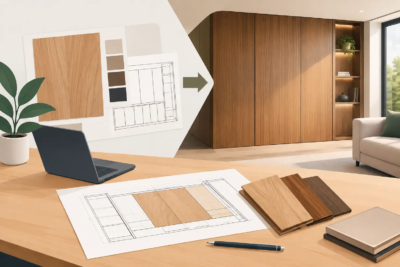
For builders, getting estimates and product selections in place early can help avoid late substitutions that change the intended look. For homeowners, reviewing real project examples and stone samples before making a final choice provides a much clearer sense of scale than viewing a small image online.
Build Character Into the Home From the Start
New construction creates a rare opportunity: there is no need to work around an existing exterior that is already limiting the design. The stone can be chosen for the house, the lot, and the way the family wants the home to feel when they pull into the driveway.
At Grizzly Stone, the goal is not to cover a wall with material. It is to help create a home with lasting presence, from the first stone at the foundation to the cap on the final pier. Choose veneer with the whole exterior in mind, and the finished house will feel less like a new build and more like it has always belonged there.