
A buyer forms an opinion before reaching the front door. They notice whether the roofline looks cared for, whether the entry feels welcoming, and whether the home has the kind of architectural character that stands apart from similar listings. The best exterior upgrades for resale are the ones that improve this first impression while making the home feel well maintained, cohesive, and ready to enjoy.
For Shenandoah Valley homeowners, the right project is rarely about following a national trend without question. A stone feature that suits a farmhouse outside Broadway may call for a different approach than a refined brick home in Staunton or a newer property near Harrisonburg. Climate, neighborhood character, the home’s existing materials, and the scope of the sale all matter. The goal is not to overbuild. It is to make the home more memorable for the right reasons.
Start With the Exterior’s Most Visible Needs
Before adding a new architectural feature, address anything that signals deferred maintenance. Buyers are quick to notice peeling trim, damaged gutters, worn siding, cracked walkways, or a front door that has seen better days. These details can create doubts about what may be happening inside the house, even when the interior is in excellent condition.
A clean, repaired exterior gives every improvement that follows more credibility. Refresh faded paint, replace missing or damaged trim, clean the roof and gutters as appropriate, and make sure exterior lighting works. Landscaping should look maintained rather than overly elaborate. Fresh mulch, pruned shrubs, defined bed edges, and a healthy lawn can do more for a listing photo than a large garden full of high-maintenance plantings.
This foundational work may not be the most dramatic part of a renovation, but it protects the value of the projects buyers will notice first.
Best Exterior Upgrades for Resale: Build a Stronger Entry
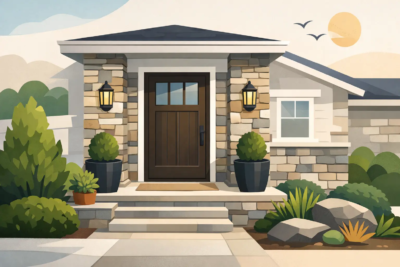
The front entry is one of the highest-value places to focus attention. It is where buyers pause, wait for an agent, and get their first close look at the home’s materials and craftsmanship. A tired entry can make an otherwise attractive house feel dated. A well-composed one gives the entire property a more finished appearance.
A new or freshly painted front door, updated hardware, properly scaled lighting, and clear house numbers are practical improvements. The best results come when these pieces work together. For example, a substantial wood-toned door paired with undersized, generic lights can feel incomplete. Likewise, a beautiful new fixture will not solve an entry with worn steps or an awkwardly proportioned porch.
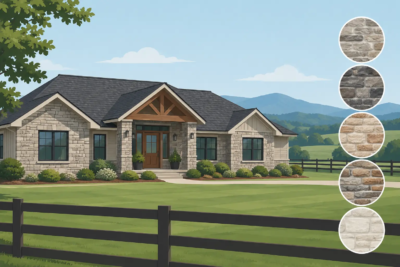
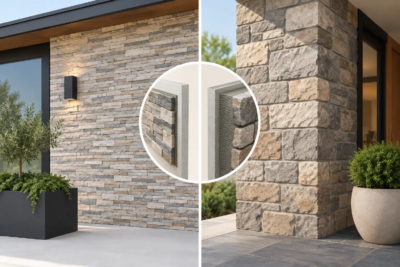
Stone veneer is especially effective around an entry when it is used to create visual weight and permanence. Wrapping porch columns, facing a lower foundation wall, or adding a restrained stone accent around the entry can establish a clear focal point. Field stone often feels at home on rustic and traditional Valley properties, while ledge stone or stack stone can give a newer home a cleaner, more contemporary profile.
The trade-off is scale. Too much stone on a small façade can make the entry look heavy. A carefully chosen accent that connects to the porch, chimney, or foundation usually feels more intentional than covering every available wall.
Use Coordinated Details to Make It Feel Complete
Buyers may not identify every finishing component, but they notice when the exterior looks resolved. Matching wall caps, pier caps, architectural keystones, and stone street numbers can tie an upgrade together. These small details prevent a project from looking like a collection of separate purchases.
Consider the view from the street as well as the view from the driveway. A stone-faced entry column with a properly sized cap and visible house number adds polish at the exact moment a buyer is trying to find the property. It is a simple but meaningful signal that the home has been thoughtfully cared for.
Add Stone Where It Has Architectural Purpose
Veneer stone is not only a curb-appeal material. Used in the right locations, it can make a home look more established and better proportioned. The most successful resale projects place stone where it appears structurally and visually appropriate.
A chimney is one of the strongest opportunities. A dated siding-clad chimney can feel disconnected from the rest of the exterior, while a stone veneer chimney becomes a defining feature. It creates height, texture, and a sense of craftsmanship that carries from the front elevation to the backyard living area.
Foundation accents are another practical choice. Covering a prominent exposed foundation section can reduce the visual break between the home and the landscape. This approach works particularly well on sloped lots common throughout the Shenandoah Valley, where the foundation may be more visible from the street or drive.
Columns and porch bases are often smaller projects with an outsized visual return. They bring material depth to a front porch without requiring a full façade renovation. On a new build that feels plain, this may be enough to give the exterior a custom look. On an older home, it can bridge the gap between a renovated entry and existing architectural details.
Grizzly Stone helps homeowners and trade professionals select custom-made veneer profiles and finishing pieces that suit the project rather than forcing a one-size-fits-all stone look.
Improve the Driveway-to-Door Experience
A buyer’s experience of the home starts at the curb but continues through the approach. Walkways, steps, retaining walls, and mailbox areas deserve attention because they shape how welcoming and easy the property feels.
If a walkway is cracked, uneven, or too narrow, repair or replacement should take priority over decorative upgrades. Safety is always more valuable than a cosmetic detail. Once the path is sound, masonry accents can create a clearer progression to the entry. Stone caps on low walls, stone-faced piers at a driveway entrance, or a well-built retaining wall can give the landscape structure without overwhelming it.
Avoid adding features that require an explanation. An elaborate outdoor kitchen, oversized fountain, or highly personalized garden ornament may be perfect for a current owner but narrow the appeal for a buyer. Resale-oriented landscaping should frame the house, improve usable space, and look manageable from the start.
Refresh Exterior Lighting and Visible Hardware
Lighting is a modest investment compared with major masonry or siding work, yet it has a direct effect on evening showings and listing photography. Replace mismatched or corroded fixtures with styles that fit the home’s architecture. A traditional home benefits from classic, substantial fixtures; a cleaner-lined home may call for simple dark metal forms.
Pay attention to finish consistency. Door hardware, address numbers, porch lights, and garage sconces do not need to match exactly, but they should look related. Black, aged bronze, and brushed metal finishes can all work well when chosen with the home’s exterior color and stone tones in mind.
Good lighting should also be functional. Illuminate steps, address numbers, and the route from driveway to door. Overly bright floodlights can make an exterior feel harsh, while thoughtful layer lighting makes the property feel safe and inviting.
Know When a Larger Project Is Worth It
Some homes need more than an entry refresh. If siding is failing, the roof is near the end of its life, or the façade is visibly dated compared with competing homes, a larger exterior project may be justified. The key is to align the investment with likely sale price and neighborhood expectations.
In a market where neighboring homes have updated façades, a home with worn vinyl siding and an unfinished foundation may struggle to compete. In that case, pairing necessary repairs with a targeted stone veneer application can create a far more marketable exterior. On the other hand, a full stone façade may not be the right financial choice for every property, especially if it would make the home noticeably more expensive than comparable houses nearby.
Ask what buyers will see from the street, what they will photograph, and what they will remember after touring several homes. A restrained upgrade with good materials and clean installation often has more resale power than a large project that does not fit the property.
Choose a Look That Belongs in the Valley
The Shenandoah Valley has a strong sense of place. Homes here range from historic properties and traditional colonials to mountain-view new construction and rural farmhouses. Exterior upgrades should respect that setting rather than chase a look that may feel dated in a few years.
Natural-looking stone colors, balanced proportions, and quality finishing details tend to hold their appeal. Select a profile that complements existing brick, siding, roof color, and landscape stone. If the home already has strong architectural lines, use veneer stone to reinforce them. If the exterior is plain, create one clear focal point instead of scattering small accents across every elevation.
When it is time to prepare a home for sale, think beyond a quick coat of paint. Give buyers a reason to slow down at the curb, walk confidently to the door, and picture the house as a place worth coming home to.