
A ranch home has a long, low profile that puts every exterior material in plain view. Stone can give that simple form needed depth and permanence, but the wrong color can make the house feel flat, heavy, or disconnected from its roof and siding. The best stone colors for ranches are not chosen from a sample alone. They are chosen for the way they connect the entire home, from the foundation and front entry to the landscape beyond it.
For Shenandoah Valley homeowners, that decision often starts with the setting. Our region offers deep green summer foliage, warm fall color, blue-gray mountain views, and a mix of traditional brick, painted siding, and weathered metal roofing. A stone veneer color that looks excellent in a showroom can read very differently in full Virginia sunlight or against a wooded lot. The goal is not simply to add stone. It is to create a home that looks like it belongs on its property.
Start With the Fixed Colors on Your Home
Before choosing a stone profile or color blend, look at the colors that are expensive or difficult to change. Your roof, brick, siding, window frames, gutters, and driveway all influence the right direction. On a ranch, the roof typically occupies a large visual area, so it deserves particular attention.
A roof with charcoal, black, or cool gray tones usually works well with gray, blue-gray, charcoal, and mixed neutral stone. If the roof contains warm brown or bronze flecks, consider stone with taupe, buff, soft brown, or muted rust notes. The objective is coordination, not an exact match. When roof and stone are identical in color, the exterior can lose dimension. When their undertones fight each other, the finished project can look pieced together.
Painted siding offers more flexibility, but it still sets the mood. Warm white, cream, beige, and greige siding generally pair naturally with buff, tan, brown, and warm gray stone. Crisp white siding and black trim can support a more contemporary palette, such as clean gray ledge stone or a charcoal stack stone accent. Red brick requires more restraint. A blend with soft gray, brown, and occasional muted red can bridge the gap without competing with the brick.
Best Stone Colors for Ranches by Architectural Style
Ranch homes are not all alike. A 1960s brick ranch, a new construction rambler, and a wooded retreat may share a one-story form, but each calls for a different approach to color and texture.
Warm Gray and Greige for Updated Traditional Ranches
Warm gray is one of the most adaptable choices for a ranch exterior. Unlike a cold, blue-gray stone, warm gray includes taupe, sand, mushroom, or light brown undertones. It complements popular gray siding while remaining inviting beside cream trim, natural wood doors, and brown roofing.
This color family is especially useful for homeowners modernizing an older ranch without making it feel overly trendy. A warm gray field stone or cut stone veneer can refresh a front elevation, chimney, or foundation while retaining the solid character that made ranch homes popular in the first place. It also handles seasonal changes beautifully, looking grounded against summer green and warm against dormant winter grass.
Buff, Tan, and Soft Brown for a Classic Valley Look
Buff and brown stone colors have lasting appeal in the Shenandoah Valley. They relate naturally to local soil, mature trees, wood accents, and traditional architecture. For a ranch with beige siding, brown shutters, cedar details, or a warm-toned roof, this is often the most dependable direction.
The key is avoiding a blend that turns too orange or too yellow. Look for depth: cream, taupe, medium brown, and a few charcoal or weathered gray pieces create a more natural appearance than one flat tan color. Field stone profiles are particularly effective here because their varied shapes and color movement keep a wide ranch façade from feeling uniform.
Gray and Charcoal for Clean Contemporary Lines
A gray or charcoal stone veneer can give a ranch home a sharper, more architectural appearance. It is a strong fit for homes with black-framed windows, dark roofs, horizontal siding, simple landscaping, and modern exterior lighting. Ledge stone and stack stone profiles often enhance this look because their horizontal lines echo the ranch home’s low, linear form.
There is a trade-off. Deep charcoal on a small entry, column base, or lower foundation can be striking. Covering a large front elevation in very dark stone, especially beneath a dark roof, can make a low home appear shorter and heavier. Balance the darker stone with light siding, warm wood, larger windows, or a lighter mortar treatment where appropriate.
Mixed Earth Tones for Wooded and Rural Properties
A ranch set back from the road, surrounded by trees, or positioned on a larger rural lot can often carry more variation than a suburban home. Mixed earth-tone stone with gray, brown, buff, and restrained rust accents gives the exterior a natural, established feel. It is a good choice for chimneys, full-height entry walls, porch columns, and retaining walls where the stone becomes part of the landscape as well as the house.
The word restrained matters. A blend with too much red, gold, or orange can feel dated quickly or conflict with existing brick. Choose a palette where those warmer colors appear as occasional highlights rather than the dominant story. That variation adds authenticity without making the exterior busy.
Let the Stone Coverage Guide the Color Choice
Color should change depending on how much stone you plan to use. A full-front veneer installation makes a much stronger visual statement than a stone skirt or a pair of porch columns. The larger the coverage area, the more important it is to choose a balanced blend that you will appreciate year after year.
For full-front ranch façades, medium-value stones are often the safest and most attractive choice. Warm gray, greige, buff, and mixed neutral blends provide enough depth without overwhelming the home. They also work well with a broad range of doors, shutters, and landscape materials if you update those features later.
For targeted curb-appeal projects, darker or more textural options can work beautifully. A charcoal stack stone chimney can add drama to a light-sided ranch. A warm field stone veneer around the entry can give a plain façade a clear focal point. Stone along the foundation can visually anchor a home with tall siding, especially on a sloped lot.
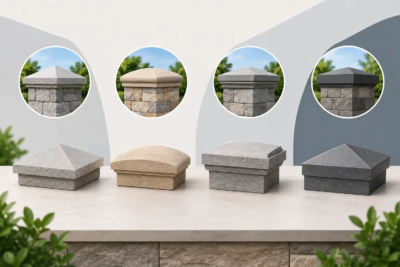
Keep proportions in mind. Ranch houses look best when stone supports their horizontal architecture rather than breaking the façade into unrelated patches. Repeating the same stone at the entry, chimney, and column bases can tie separate features together. Coordinated wall caps, pier caps, keystones, or address numbers can carry that sense of intention through the final details.
Consider Sunlight, Shade, and the View From the Street
Stone colors have a personality in changing light. South- and west-facing elevations receive strong sun, which can make pale stone look brighter and warm tones more pronounced. North-facing walls remain cooler and more shaded, where dark gray may look nearly black and tan may appear subdued.
That is why viewing actual samples outdoors matters. Hold the sample beside your siding and under your roofline if possible. Look at it in morning light, afternoon light, and overcast conditions. A blend that feels too quiet indoors may reveal exactly the right movement outside.
Distance matters, too. From the curb, the eye reads the overall color value before it notices individual pieces. A blend with strong contrast can look lively up close but busy from the street. On long ranch elevations, moderate variation usually delivers the most polished result. Save the highest contrast stone for a contained feature, such as a fireplace, entry surround, or chimney.
Avoid Common Color Mistakes
The most common mistake is selecting stone before evaluating the roof. Because roofing covers so much visual real estate, ignoring it can lead to an exterior with competing undertones. The next mistake is choosing a color only because it is popular. Cool gray may be everywhere, but a warm valley setting, brown roof, and cream siding may call for a warmer stone.
Another issue is treating mortar, trim, and finishing components as afterthoughts. Mortar color can lighten, darken, soften, or sharpen the appearance of veneer stone. Exterior trim, porch ceilings, front doors, and caps should reinforce the selected palette. A cohesive home does not require everything to match. It requires each part to look considered.
Finally, do not assume a ranch must use a small amount of stone. A well-chosen veneer can transform a broad, simple façade. At the same time, more coverage is not always better. The strongest design is the one that gives your home weight, texture, and character without hiding the architecture you already like.
Bring the Palette Together Before Installation
A good stone selection should make the next design decisions easier. Once you have identified a color family, choose a profile that suits the home, then confirm the transition areas: where stone begins and ends, how it meets siding or brick, and which architectural details will repeat the finish. Cut stone creates a tailored appearance, field stone brings irregular natural character, ledge stone emphasizes horizontal movement, and stack stone offers a clean, layered texture.
At Grizzly Stone, the best projects begin with those details working together rather than as separate purchases. Bring photos of your home, roof, siding, and the view from the street when comparing samples. Seeing the complete picture is the surest way to choose a stone color that will make your ranch feel finished, personal, and built to be admired for years.