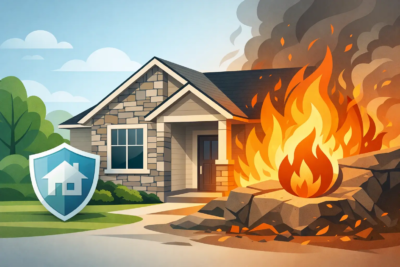

A stone-faced chimney or front entry has to handle more than compliments. In the Shenandoah Valley, it also faces summer heat, wind-driven rain, freezing temperatures, and repeated freeze-thaw cycles. Manufactured stone durability comes down to how well the veneer is made, how thoughtfully it is installed, and whether the wall behind it manages water correctly.
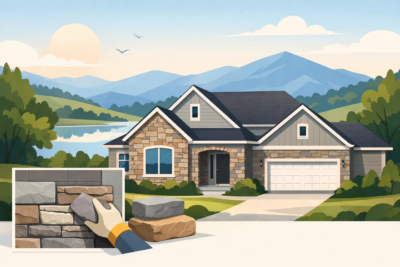
For homeowners comparing exterior materials, manufactured veneer stone offers a practical way to achieve substantial stone character without building an entire wall from full-bed natural stone. It can bring depth and architectural definition to a façade, foundation, porch column, fireplace, or retaining feature. But like any exterior finish, its long-term performance depends on selecting the right product for the project and respecting the details that protect it.
What manufactured stone is built to withstand
Manufactured stone veneer is typically made from a carefully controlled blend of cementitious materials, lightweight aggregates, pigments, and molds cast from natural stone profiles. The result is a thinner, lighter stone facing designed to be adhered to a properly prepared surface rather than stacked as a structural wall.
Its durability is not simply about being hard. A good veneer must hold its color, resist ordinary weather exposure, remain bonded to the wall, and tolerate seasonal movement without cracking or loosening. The manufacturing process matters because consistent materials, curing, and color integration help produce a stone that performs predictably across an entire project.
The veneer itself is only one part of the system. Mortar, lath or approved backing, flashing, drainage materials, weep details, and joint design all contribute to a finished installation that can shed water and move as conditions change. A beautiful stone profile cannot compensate for missing water management behind the wall.
Manufactured stone durability in Virginia weather
Virginia weather asks a lot of exterior finishes. A wall may be wet one day, freeze overnight, and warm quickly in the afternoon. When water enters vulnerable gaps and freezes, it expands. Over time, that pressure can damage mortar joints or stress poorly installed veneer.
This is why water control is the central issue in exterior stone durability. Proper flashing directs water away from vulnerable transitions around windows, doors, rooflines, chimneys, and horizontal ledges. A drainage plane and correctly installed weather-resistant barrier help keep incidental moisture from becoming trapped against the structure. At the bottom of a wall, drainage and weep provisions give water a path out.
These steps are not decorative extras. They are the difference between a stone surface that remains a lasting feature and one that develops preventable problems behind the veneer. For a chimney remodel, new façade, or addition, the installer should treat every transition as seriously as the visible stonework.
Color performance also deserves a realistic conversation. Quality manufactured stone is designed for exterior use, but all materials exposed to years of sunlight can experience some gradual change. A covered porch, a shaded north wall, and a south-facing entry do not receive the same exposure. Choosing a profile and color blend that complements the home from the start helps the finish continue to look natural as it ages.
The installation details that matter most
Most manufactured stone concerns trace back to installation conditions rather than a failure of the stone face. The wall must be suitable for adhered veneer, clean, properly prepared, and built with the correct components for its construction type. Masonry surfaces, wood framing, and exterior sheathing each require an approach that follows applicable building requirements and manufacturer instructions.
Mortar coverage is especially important. Each piece needs a solid bond without hollow voids that can collect water or leave the veneer vulnerable to impact. Joints should be finished consistently and protected from premature drying or weather exposure while the mortar cures. On larger walls, movement joints may be needed to accommodate building movement and reduce stress.
Experienced installers also plan the layout before setting stone. They blend pieces from multiple boxes or pallets, avoid repetitive patterns, place larger stones with intention, and account for corners, caps, and termination points. That planning creates a more convincing finished appearance, but it also prevents awkward cuts and thin edge pieces that may be more vulnerable over time.
Where veneer stone performs especially well
Manufactured veneer stone is an excellent choice for many visible improvements because it delivers high visual impact without the weight and depth of full-bed stone. It works particularly well on exterior façades, foundation accents, chimneys, entry walls, porch columns, and gable features. Indoors, it adds texture to fireplaces, feature walls, kitchens, and lower-level spaces with far fewer weather-related concerns.
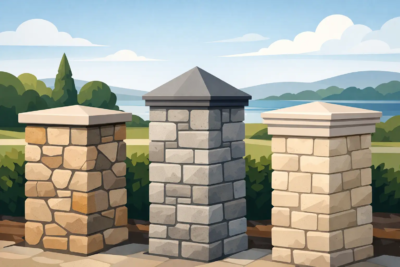
It is also useful when a project needs a coordinated architectural look. A field stone façade, for example, can be carried through a nearby column or entry feature with matching caps, keystones, and address numbers. That continuity makes an addition or remodel feel planned rather than pieced together.
There are limits to understand. Veneer stone is a cladding, not a structural building stone. It should not be assumed to support a wall, carry landscape loads, or serve as a paving surface unless a system is specifically designed for that use. Areas exposed to constant ground moisture, standing water, heavy salt, or frequent physical impact may call for a different material or a carefully designed detail.
Care that protects a stone veneer investment
One advantage of manufactured veneer stone is that routine maintenance is modest. It does not need regular painting, and a properly installed wall generally needs little more than occasional attention. The goal is not to constantly treat the surface. It is to catch small drainage or mortar issues before they become larger repairs.
A seasonal visual check is usually enough for most homes. Look for cracked or missing mortar, loose pieces, staining that persists after normal weather, gaps around flashing, and gutters that overflow onto the stone. Keep soil, mulch, and plant growth from covering the bottom of the veneer or trapping moisture against it. If a nearby downspout discharges directly against a stone-clad wall, redirect it.
For cleaning, start gently with clean water and a soft brush. Avoid aggressive pressure washing, harsh acids, or wire brushes, which can damage mortar joints, alter the surface appearance, or drive water where it does not belong. If staining is unusual or widespread, identify the source first. Rusting metal, irrigation overspray, chimney runoff, and poor drainage require different solutions.
Sealers are not automatically necessary for every veneer installation. In some situations, a breathable masonry sealer may be appropriate, particularly where the surface is exposed to persistent moisture or a specific stain risk. The wrong coating, however, can trap moisture or change the appearance of the stone. It is better to address water movement first and use any treatment only when it suits the product and application.
Choosing for longevity, not just first impressions
The right stone profile should fit the home, but it should also fit the project conditions. Ledge stone can create a strong horizontal look on a contemporary elevation. Field stone may suit a more traditional Shenandoah Valley setting. Cut stone can bring a cleaner, more formal character to an entry or façade, while stack stone can make a fireplace or accent wall feel crisp and intentional.
Beyond profile, consider the amount of stone, exposure to rain, nearby rooflines, and how the veneer connects to siding, trim, brick, or foundation materials. A small accent wall may need only a carefully chosen color blend. A full façade needs a complete plan for corners, caps, transitions, and drainage details. Coordinated finishing pieces can make that difference visible, especially at columns and entrances where the eye naturally lands.
At Grizzly Stone, the goal is not simply to add stone to a house. It is to help create a finished architectural statement that feels right for the home and continues to earn its place year after year.
Before choosing a color or profile, take a close look at the wall that will carry it. A well-designed veneer system, installed with care and matched to the home’s conditions, gives manufactured stone the staying power to make a daily arrival feel a little more special.